
January 3, 2023 • Brooke Siem
On Living and Breathing Grief
Of all the themes that weave in and out of my life, the most common is loss. We are all bound for loss to become more prevalent as we get older—I suppose that’s the agreement we sign in exchange for living a long life—but for people who experience it early in life, grief is a persistent, melancholic hum.
It was once described to me as a live sphere caught in a box. The box stays the same size, but the sphere grows and shrinks and moves. When the sphere hits the sides of the box, it sends a shock through the edges so strong, the box and the sphere become one.
Once the sphere is created, it never goes away. But it can become so small relative to the box that it feels like it’s dissolved into the ethers. There’s no telling how long the sphere will stay swollen, or what instance will cause the sphere to morph. The death of a child, I imagine, makes for the most inelastic sphere.
Still, the greatest grips of grief come from the tiniest of moments. A hair caught in a comb. The empty space where his books used to be. A whiff of eucalyptus. The emotion that arises is not quite sadness, not quite nostalgia. It is yearning. A deep ache for what never was or will never will be.
Grief transcends death because of this yearning. All loss and all endings come with what if. Divorce and separation, the transition out of childhood, a career ending injury. It all illuminates an impossible timeline, forever nourishing the sphere, which is why ranking grief on a hierarchy of suffering is a futile game. Every subsequent loss builds on the one that came before, the grief of today’s end feeding on yesterday.
Psychiatry has now decided that grief lasting more than six months for a child and twelve months for an adult can be classified as mental illness, known as prolonged grief disorder. Advocates of the new addition to the Diagnostic and Statistical Manual of Mental Disorders (DSM) say that this new classification will help people incapacitated by grief get treatment, likely on their insurance’s dime. Critics argue that it’s just another way for pharmaceutical companies to make money, and that psychiatrists will over diagnose and unnecessarily medicate people for normal human emotion.
I’m sure the truth is somewhere in between, but what I know for sure is that grief waits for you. It is an enduring, compounding, and often surprising price we pay for love. Perhaps it is the most noble emotion of all.

More articles from the blog
see all articles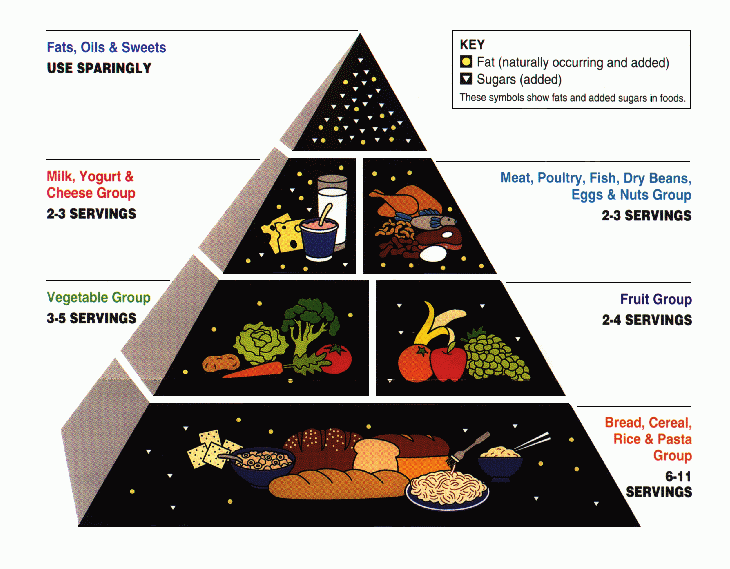
July 9, 2025
How World War II, cigarette companies, and an obscure 1937 law determine what you put in your mouth today: A Short History of the Sad, Modern American Diet.
read the article
July 2, 2025
“What do all fat, sick, unhealthy people have in common? At least this: they all eat.: An introduction to a new series about diet, psychiatric drug withdrawal, and performance.
read the article
June 25, 2025
Bad Medicine, Antidepressant Withdrawal, and the Incalculable Costs of Medicating Normal: My full talk at the University of Nevada, Reno Medical School
read the article
June 18, 2025