
Subscribe to the MAY CAUSE SIDE EFFECTS substack, a newsletter devoted to antidepressant withdrawal education and recovery.

menu

Well folks, it’s happened. After a year that I will henceforth refer to as, “The Year That Changed Everything,” I have completely, utterly, all the overused adverbs in the world-ly, hit a wall of systemic exhaustion. 

Not that I can stop. 

I’ve got four trips planned in the next eight weeks, all for work or book-related endeavors. Los Angeles —> Las Vegas (lord help me) —> San Francisco —> Virginia Beach. 

I’ve put myself on a work embargo in between trips, which means after I write this, I’m going skiing. (That’s how embargoes work, right? They’re conditional upon finishing work, right? RIGHT?)

Burnout is a manifestation of chronic, unmitigated stress. Or, as the World Health Organization defines it, an “occupational phenomena” characterized by “feelings of energy depletion or exhaustion; increased mental distance from one’s job, or feelings of negativism or cynicism related to one’s job; and reduced professional efficacy.”

One google of “burnout” provides a whole host of solutions, but frankly, I’m too burned out to even look through it and throw some research at you. Instead, I’ll share my unscientific philosophy on the matter: the BBC.

Boundaries

Bordem

Creativity

Boundaries

The thing about publishing memoir is that everyone wants to talk to you about it. If you’re trying to sell as many books as possible, which I am, this means taking every opportunity to chat. MAY CAUSE SIDE EFFECTS is gaining traction and the bigger the opportunity, the more focused I need to be. 

Thus, for the next eight weeks, I’m postponing, cancelling, or avoiding any work that’s not directly MCSE related. No more bullshit meetings. No more “picking my brain.” The same goes for social obligations. If I don’t fully want to be in an experience or around a group of people, it’s just not happening. I don’t have the bandwidth. 

Boredom

The only cure I’ve ever found for burnout is boredom followed by creativity. Not standing-in-line-at-the-grocery-store-boredom, but true boredom. Like pandemic levels of boredom. The kind of boredom that transitions from agitation to openness, where the brain shuts down and the instinct to pick up a paintbrush, go for a walk, or play an instrument kicks in. 

In my experience, true rest only occurs in this state. And it’s why vegging out in front of the TV for an hour isn’t all that rejuvenating. What the mind and body needs is primal rest, the sort that occurs in nature or in the nurturing presence of close friends or family. 

It’s a cumulative process, too. One that isn’t all that compatible to modern life. But there are little things we can do to facilitate boredom, like leaving your phone at home when you go for a walk or taking a social media break. One of the more amusing strategies I heard involved locking yourself in your bathroom with nothing but a pen and paper, setting an hour-long timer, and not allowing yourself to do anything but scribble or doodle while you’re in there. No reading lotion labels, no organizing the makeup drawer. No bubble baths. Just pure, private, glorious boredom. 

Creativity

The great tragedy of the digital world is that fewer people—kids, especially—get bored enough to pick up a pen, eliminating countless writers and artists who might be filled with talent but are instead wasting away playing Fortnite.

I don’t think it’s an accident that our abhorrent collective mental health coincides with the massacre of arts funding in schools. As the beloved author Kurt Vonnegut said, “The arts are not a way to make a living. They are a very human way of making life more bearable. Practicing an art, no matter how well or badly, is a way to make your soul grow, for heaven’s sake.”

Making art for art’s sake is the only thing that rejuvenates my brain during times of burnout. But purposeless creativity does not exist without boredom, which is why the two need to go together. The second moneymaking is involved, it moves into the realm of adding to burnout rather than removing it. 

Of course, I don’t have kids or an elderly parent to care for. Caregiving burnout is its own beast; one that trickier to address. So I’m not even going to try. But if you’re burned out keeping other humans alive, consider yourself hugged. You’re doing a hard thing. 

With that, I’m going skiing. Without my phone. If I have time left in the day while it’s still light out, I’ll paint something. And then in 36 hours I’ll get on a plane. Rinse and repeat.

More articles from the blog

see all articles
July 9, 2025

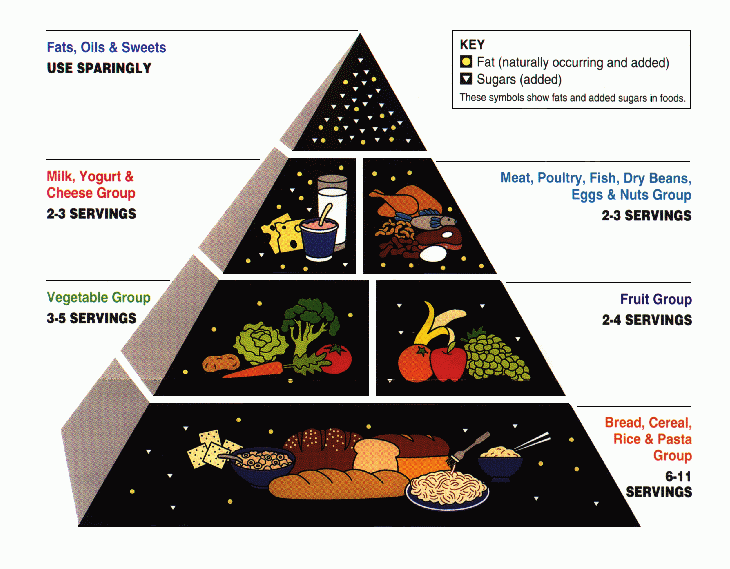
How World War II, cigarette companies, and an obscure 1937 law determine what you put in your mouth today: A Short History of the Sad, Modern American Diet.

read the article

July 2, 2025

“What do all fat, sick, unhealthy people have in common? At least this: they all eat.: An introduction to a new series about diet, psychiatric drug withdrawal, and performance.

read the article

June 25, 2025

 Bad Medicine, Antidepressant Withdrawal, and the Incalculable Costs of Medicating Normal: My full talk at the University of Nevada, Reno Medical School

read the article

June 18, 2025

Smart things other people said, Part II: A big two weeks in the world of bad science, bad journalism, and why it’s good news for us.

read the article

Last weekend, I did something I rarely do: I went out. Like out out. I put on heels, wore makeup, and made chitchat with strangers at a fundraiser for a local museum. 

I was invited as a date for a friend whose husband went on a last minute business trip, leaving her as the lone stag in a group of eight couples. My butt did a great job of filling the seat, but a table of familiar faces brought not a sense of inclusion, but the sting of loneliness. 

The experience highlighted a nagging feeling I’ve had since MAY CAUSE SIDE EFFECTS was published in September. The book was, in many ways, my best friend. A constant, intimate presence, it persisted through the ebbs and flows of my life, the work often reflecting my reality. It gave me a sense of purpose, never wavered in its dedication, and showed up when I needed it. When it hit bookshelves, it’s like it moved away. It isn’t mine any more. It belongs to other people now, influencing their lives while I scramble to fill the void. 

Though the loss has gifted me oodles time, it also illuminates neglect. All of my relationships have suffered over the past five years, particularly my friendships. As a single person with no kids and a minuscule family unit—it’s just me and my mom, no siblings or notable extended family—I’ve always kept a mental running list of friends who would step up in a crisis, no questions asked. 

I don’t know if there’s anyone on that list anymore. 

Years ago I might have blamed this development on the failure of the parties involved, assuming we just didn’t try hard enough. Now, I understand that biology and social psychology is at play, and that itinerant life I’ve led isn’t conducive to creating and maintaining intimate friendships.

The number and quality of friendships is the single most important indicator of longevity and happiness and as we age, friendships become more important for health than family

But in 2021, 12 percent of American adults said they had no close friends, contributing to the loneliness crisis that began well before, but was exacerbated by, the pandemic. 

So how do we make friends as adults? More importantly, how do we create meaningful friendships that increase happiness? I dove into the research of evolutionary psychologist and friendship expert Robin Dunbar to find out.

You can only maintain so many relationships.

Robin Dunbar is best known for Dunbar’s Number, which he defines as the number of relationships people are able to cognitively able to manage and maintain at once. He puts this number at 150, which unsurprisingly, is just about the size of the average American wedding guest list. 

These 150 people are made up both friends and family and sorted into a sort of circular hierarchy. The closer the ring of people around you, the fewer the people in the ring. 

In the bullseye with you is an spouse or intimate partner, followed by three to five people who make up the first ring, usually family members and a close friend or two. The next ring expands and holds secondary characters. Grandma, perhaps. Friends you know very well but maybe not the one you call in a crisis. From there, we expand through the rings of fair weather friends, colleagues, extended family, old friends who live in different places, and so on through the target.

Friendships are created and maintained through consistency. 

Meaningful friendship is woven by shared experience and regular exposure. Therefore, the best way to make new friends is to engage in a consistent, social activity like a weekly meetup group. 

When we’re kids, this is automatic. We go to school or an after school activity, see the same people every day, and become friends. As adults, we lose opportunities for that natural interaction. Some people get it through work, but for someone like me who works alone and at home, I have to create it. It’s no surprise, then, that the people in my “close” and “best” friend circles over the years have come from going to the same CrossFit class, at the same time, five days a week for years. 

It’s also not surprising that over the past six years, when I was either traveling internationally or splitting my time between Canada and the US, my friendships suffered. I’d be in town for three weeks and leave for two months. People had babies in the time I was away. 

In my head, they still remained in the “close” or “best” category because I didn’t stay in one place long enough to forge a friendship strong enough to fill the space. But while I was away, my place in their hierarchy shifted, knocking me to outer circles. 

The characters in the hierarchy may change, but the quantity does not.

Where people stand in the hierarchy is constantly shifting. When you see less of someone because you see more of somebody else, it pushes people in and out of different circles. We see this happen all the time when people enter new relationships. In an interview with Dan Harris on the Ten Percent Happier Podcast, Dunbar said that falling in love can actually take the place of two close relationships, because the mental energy and attention devoted to the new person inevitably boots two people out of the ring. This explains why people disappear when they get into a relationship. It’s not because they don’t care or are blinded by love. It’s because we have limited capacity.

When the hierarchy changes, find acceptance

When life separates “close” and “best” friends, the instinct is to hold those people in their circles by keeping in touch through social media or phone calls. Though social media has a reputation for, you know, toppling democracy and obliterating societal mental health, it’s actually supports relationship intimacy. But with limited energy to devote to friendships, time spent on Facebook eats into opportunities for in-person connection. 

For relationships in the outer rings, this isn’t a big deal. But at the inner rings, intention is crucial. As Dunbar says, people might be “better off finding a new shoulder to cry on just round the corner, so when the world does fall apart, they can walk around the block, knock on their door and get a hug.”

Said another way by the lyricist Stephen Stills: “If you can’t be with the one you love, love the one you’re with.” 

Making new friends takes time, but it gets easier

The hardest part of making friends—especially in a new place—is the beginning. But once you engage in a community and show up consistently, proximity will eventually lead to connection. Once those connections are made, the circles naturally expand as people get introduced to one another, creating a flywheel affect that ultimately leads to the sort of event I found myself at last weekend. 

As I felt sorry for myself at the table, envious that these sixteen (!) adults had so much support for one another, I wondered what it was about me that made me feel so separate. 

The answer is that while I was off in Cambodia or Croatia for a month at a time, they were all moving back to Reno and starting their families. All of them have kids around the same age. They get together for play dates and PTA meetings. When the kids aren’t around, they share the common ground gained from so many years of similar experience, often within walking distance of one another. 

It’s a barrier I’m just not going to be able to crack. But that’s okay. There’s plenty of room for them in my “good friends” category, and now I won’t beat myself up wondering why I can’t bring them closer.

More articles from the blog

see all articles

July 9, 2025

How World War II, cigarette companies, and an obscure 1937 law determine what you put in your mouth today: A Short History of the Sad, Modern American Diet.

read the article

July 2, 2025

“What do all fat, sick, unhealthy people have in common? At least this: they all eat.: An introduction to a new series about diet, psychiatric drug withdrawal, and performance.

read the article

June 25, 2025

 Bad Medicine, Antidepressant Withdrawal, and the Incalculable Costs of Medicating Normal: My full talk at the University of Nevada, Reno Medical School

read the article

June 18, 2025

Smart things other people said, Part II: A big two weeks in the world of bad science, bad journalism, and why it’s good news for us.

read the article

Of all the themes that weave in and out of my life, the most common is loss. We are all bound for loss to become more prevalent as we get older—I suppose that’s the agreement we sign in exchange for living a long life—but for people who experience it early in life, grief is a persistent, melancholic hum.

It was once described to me as a live sphere caught in a box. The box stays the same size, but the sphere grows and shrinks and moves. When the sphere hits the sides of the box, it sends a shock through the edges so strong, the box and the sphere become one.

Once the sphere is created, it never goes away. But it can become so small relative to the box that it feels like it’s dissolved into the ethers. There’s no telling how long the sphere will stay swollen, or what instance will cause the sphere to morph. The death of a child, I imagine, makes for the most inelastic sphere.

Still, the greatest grips of grief come from the tiniest of moments. A hair caught in a comb. The empty space where his books used to be. A whiff of eucalyptus. The emotion that arises is not quite sadness, not quite nostalgia. It is yearning. A deep ache for what never was or will never will be.

Grief transcends death because of this yearning. All loss and all endings come with what if. Divorce and separation, the transition out of childhood, a career ending injury. It all illuminates an impossible timeline, forever nourishing the sphere, which is why ranking grief on a hierarchy of suffering is a futile game. Every subsequent loss builds on the one that came before, the grief of today’s end feeding on yesterday.

Psychiatry has now decided that grief lasting more than six months for a child and twelve months for an adult can be classified as mental illness, known as prolonged grief disorder. Advocates of the new addition to the Diagnostic and Statistical Manual of Mental Disorders (DSM) say that this new classification will help people incapacitated by grief get treatment, likely on their insurance’s dime. Critics argue that it’s just another way for pharmaceutical companies to make money, and that psychiatrists will over diagnose and unnecessarily medicate people for normal human emotion.

I’m sure the truth is somewhere in between, but what I know for sure is that grief waits for you. It is an enduring, compounding, and often surprising price we pay for love. Perhaps it is the most noble emotion of all.

More articles from the blog

see all articles

July 9, 2025

How World War II, cigarette companies, and an obscure 1937 law determine what you put in your mouth today: A Short History of the Sad, Modern American Diet.

read the article

July 2, 2025

“What do all fat, sick, unhealthy people have in common? At least this: they all eat.: An introduction to a new series about diet, psychiatric drug withdrawal, and performance.

read the article

June 25, 2025

 Bad Medicine, Antidepressant Withdrawal, and the Incalculable Costs of Medicating Normal: My full talk at the University of Nevada, Reno Medical School

read the article

June 18, 2025

Smart things other people said, Part II: A big two weeks in the world of bad science, bad journalism, and why it’s good news for us.

read the article

In 2018, after thirty-two years of relishing in perfect eyesight, a routine optometry appointment indicated that it was time for me to get glasses. My first question was, “What about contacts?”

For as long as I can remember, I’ve had strong reactions to tactile sensations. Mostly, I don’t like it. I pull away from touch, get little nauseated around pockmarked surfaces, and am picky about fabrics. The wrong type of sweater doesn’t just make me itchy, it makes me irate.

When the glasses hammer came down, I hoped that contacts or laser eye surgery would keep me from having glasses touch my face. But my eyes don’t tolerate contacts well, and I’m not a candidate for LASIK or PRK (something about odd shaped corneas.) Bespectacled I became, begrudgingly.

It was all manageable enough until covid hit and masks became the norm. I’ve loathed those pieces of scratchy cloth from the moment they arrived, not because of their (bizarre) association with political peacocking and righteous indignation, but because of the fury that rises with in me from having so much stuff on my face. The masks could be made of silk and I’d still want to burn every one of them.

Of course, they aren’t always optional—at least not where I live. I’ve gone through dozens of styles of masks, desperate to find one that doesn’t make me want to jump out of my skin when I have to put it on. The ‘ole surgical standbys are the least rage-inducing, especially if they’re black or white. (The blue ones make everywhere feel like a hospital.)

Overall, it’s been frustrating to step into anger every time I go somewhere with a mask requirement. Because there’s so much emotion swirling around the pandemic in the first place, I always assumed the irritation that arrived was connected to spending the last two years living in what can only be described as a clusterfuck.

But a few weeks ago, in a startling example of delayed logic, I had an epiphany: take off the damn glasses. My eyesight is strong enough that I can make my way through the world without specs. I may not recognize you in a crowd 100 feet away, but I can still make out the fuzzy brands of crackers on a grocery store shelf. When I simply removed the glasses obstacle, my anger evaporated.

For two years I’ve been hearing people say, “I don’t even notice the mask anymore,” to which I resisted the urge to punch them in the face. Now, I leave my glasses in the car peruse retail stores in peace. It’s been a revelation, I tell you. Such a simple solution, too.

It’s not always the destructive choices that that contribute to melancholy or anger. Sometimes, it’s a basic assumption you’ve learned to take as truth. In my case, the assumption was that my glasses were an extension of my body, always on me unless I was sleeping or showering. Because of that benign assumption, it never occurred to me that taking them off might actually beneficial. As a result, I spent almost two years fighting daily anger over something I was in control of all along.

My challenge to you, and a journaling prompt for those of you so inclined: Examine your life and look for opportunities to take off the metaphorical glasses. How might this contribute to inner overall peace and happiness?

More articles from the blog

see all articles

July 9, 2025

How World War II, cigarette companies, and an obscure 1937 law determine what you put in your mouth today: A Short History of the Sad, Modern American Diet.

read the article

July 2, 2025

“What do all fat, sick, unhealthy people have in common? At least this: they all eat.: An introduction to a new series about diet, psychiatric drug withdrawal, and performance.

read the article

June 25, 2025

 Bad Medicine, Antidepressant Withdrawal, and the Incalculable Costs of Medicating Normal: My full talk at the University of Nevada, Reno Medical School

read the article

June 18, 2025

Smart things other people said, Part II: A big two weeks in the world of bad science, bad journalism, and why it’s good news for us.

read the article

When I started Happiness Is A Skill, I did it for two reasons. First, I wanted to have an outlet to talk about mental/emotional health and antidepressant withdrawal without enmeshing myself in social media. The topography of those niches on Twitter is a nightmare, and I couldn’t bring myself to swim around in that muck.

Second, I had just landed a literary agent and we were prepping to send my memoir on antidepressant withdrawal out to publishers. I hoped that by starting a dedicated newsletter, I could keep my writing mind from getting rusty while also creating an outlet for my book’s key audience.

Well, I’m thrilled to announce that my memoir, MAY CAUSE SIDE EFFECTS, will be published by Central Recovery Press in September 6, 2022! (And I didn’t even have to go on Twitter to make it happen!)

may cause side effects book pinterest image with text overlay

I’d be doing a happy dance over here, but frankly, I’m pooped. The news came through a few weeks ago, and because we chose to aggressively push for a Spring 2022 release, it’s been a whole lot of stress and frenzy in a short period of time.

I thought I was handling it all relatively well until I got struck down by an ocular migraine on Saturday night. Migraines, for me, are always a sign that I am wound too tight with the sort of existential tension that only seems to get worse when you “relax.” The solution isn’t necessarily to do less, but to change the fundamental process.

And so, Happiness Is A Skill is going to go in for a facelift. As much as I’ve enjoyed what I’ve created so far, it’s time for it to evolve so it can better support the book and the withdrawal/depression recovery community without taking added energy out of me.

The newsletter may look a little sparse over the next few weeks, but rest assured that it’s because I’m tinkering away in the background, getting ready to bring Happiness Is A Skill to a bigger audience. HIAS is going to be an integral part of my book’s release, so it’s not going anywhere.

To everyone who actually reads this every week, thank you. Artists need audiences in order to justify continuing their craft. I couldn’t have gotten this far without knowing real eyeballs were looking at what I was creating. And while my newsletter is child’s play compared to my book, both in scope and polish, it has been such a safe place for me to explore over the past year and a half.

Thank you for being a part of it so far, and thanks for sticking with me through this period of readjustment and growth.

I can’t wait for you to see what I have planned.

Need a little giggle? Order one of my Fuckit Buckets™.

the fuckit bucket gold silver necklaces

After 15 years of depression and antidepressants, my mission is to help people find hope in the name of healing. My memoir on the subject, MAY CAUSE SIDE EFFECTS, publishes on September 6, 2022 Pre-order it on Barnes & Nobles, Amazon, or wherever books are sold. For the most up-to-date announcements, subscribe to my newsletter HAPPINESS IS A SKILL.

Coming September 6, 2022

May Cause Side Effects

Brooke’s memoir is now available for preorder wherever books are sold.

This is a heart-rending and tender memoir that will start conversations we urgently need to have. It’s moving and important.

Johann Hari, author of New York Times bestseller Chasing the Scream and international bestseller 
Lost Connections: Uncovering the Real Causes of Depression—and the Unexpected Solutions

More articles from the blog

see all articles

July 9, 2025

How World War II, cigarette companies, and an obscure 1937 law determine what you put in your mouth today: A Short History of the Sad, Modern American Diet.

read the article

July 2, 2025

“What do all fat, sick, unhealthy people have in common? At least this: they all eat.: An introduction to a new series about diet, psychiatric drug withdrawal, and performance.

read the article

June 25, 2025

 Bad Medicine, Antidepressant Withdrawal, and the Incalculable Costs of Medicating Normal: My full talk at the University of Nevada, Reno Medical School

read the article

June 18, 2025

Smart things other people said, Part II: A big two weeks in the world of bad science, bad journalism, and why it’s good news for us.

read the article

In a day and age when information travels at warp speed and lives can be irrevocably changed by one photo or a single tweet, there was something poetic about the speed of the 2020 federal election. All the bandwidth and technology in the world couldn’t move it along any faster than it was going to go. The outcome was too precarious and the stakes were too high for anyone to make an honest call. And so we waited, and waited, for more information to come in.

It is moments like this that pierced through my own fourth wall and grabbed me tight around the chin, forcing me to face the greater collective storyline and apply it to my own. While the United States idled at a crossroads that led us toward two very different futures, I also stood at a major junction. There were two choices, and I needed to choose one. Each somehow felt both beautiful and awful, and yet the rest of my life hinged on this choice.

It was too close to call.

But life imitates life. For all the faults of that election and the missteps of all the people involved, there was one thing huge lesson to learn from it: when a decision remains unclear, it is because all the information has not yet arrived.

We have conditioned ourselves to think that when we are presented with a choice, our only options are to pick one or the other and to do it fast. But there is an ever-present third choice that often holds the most power — the choice to wait.

Waiting is itchy. It prickles at you like a stiff wool sweater on a frozen winter night. But to rip it off too soon is to expose yourself to the elements without having first found shelter. If only you could wait until dawn when the sun rises to light the way. Life might look a little different then, the two paths now illuminated, obstacles in clearer view.

So we waited. And I waited, itchy and squeamish, for the information to come in. Because the outcome was too precarious. The stakes were too high.

It was too close to call.

Coming September 6, 2022

May Cause Side Effects

Brooke’s memoir is now available for preorder wherever books are sold.

This is a heart-rending and tender memoir that will start conversations we urgently need to have. It’s moving and important.

Johann Hari, author of New York Times bestseller Chasing the Scream and international bestseller 
Lost Connections: Uncovering the Real Causes of Depression—and the Unexpected Solutions

More articles from the blog

see all articles

July 9, 2025

How World War II, cigarette companies, and an obscure 1937 law determine what you put in your mouth today: A Short History of the Sad, Modern American Diet.

read the article

July 2, 2025

“What do all fat, sick, unhealthy people have in common? At least this: they all eat.: An introduction to a new series about diet, psychiatric drug withdrawal, and performance.

read the article

June 25, 2025

 Bad Medicine, Antidepressant Withdrawal, and the Incalculable Costs of Medicating Normal: My full talk at the University of Nevada, Reno Medical School

read the article

June 18, 2025

Smart things other people said, Part II: A big two weeks in the world of bad science, bad journalism, and why it’s good news for us.

read the article

I went for a walk this morning like I almost always do when I’m home in Nevada. My house is tucked up against the rolling desert, with trails zig zagging through the sagebrush. A small creek flows through the valley, prompting cattail to grow in the damp soil and mountain bluebirds to sing in the early morning sun. Cottontail rabbits and the occasional coyote bound through the hills, and there is no better chance of a good day than to begin it with a walk through the landscape I was born into.

I put on my coat and slipped my socked feet into a pair of stiff new boots, bought just a few days ago to get me through the winter. The half hour walk would double as an opportunity to break in the shoes in incremental bits. It will take dozens of these walks, I know, for the leather to soften and relax against my toes.

I locked my door and began to walk through the rows of neighboring townhouses and onto the trailhead. Not three minutes into the trail, I felt the unmistakable sting of a blister at the back of my left heel. Strange, I thought to myself, sure that there was no sign of the blister on yesterday’s walk.

I plopped down on a rock and pried my foot out of the stiff shoe. Sure enough, the blister was right there, pink and exposed. I considered turning around, but the birds were calling with gusto. In just over a week I go back to Vancouver, where I will be forced to quarantine in a one bedroom apartment for 14 days. But today I have the birds and the desert and the open sky, I thought to myself. I need to take it all in now, while I can.

Besides, the shoes needed a break in too.

So I kept walking, heel stinging. A few minutes passed when I saw a clump of teal colored plastic on the trail up ahead, a bag of dog shit that wasn’t there yesterday. I told myself that someone must be out on a run with their dog and that they left the bag of poop on the side of the trail for pickup on the way back…right? Because what kind of person kindly bags up their dog’s crap and then dumps plastic into the wilderness?

Giving the phantom dog owner benefit of the doubt, I left the teal bag and walked another thirty feet, heel screaming. Immediately, my eye caught a second bag of dog shit, black this time, and clearly from a different dog. Without thinking about what I was doing, I knelt down and picked it up. Then I turned around and went to the teal bag and picked that up too. I held up both bags and looked at them, suddenly aware that I was now saddled with a raw heel and two bags of shit excreted from dogs I don’t own. There was no point in walking on, so I limped back toward home.

For a moment, I considered getting angry. I could feel the choice to be angry. The jerks who left the bags of shit certainly deserved it, as did the boots that were growing sticky from the pool of my own blood. Both of these things took away my ritual, my solitude, the purpose of my morning.

But what good would come of the anger? Who would I have yelled at? Other than the tawny bunny hopping across the trail, not a heartbeat other than mine as far as the eye could see. Anger, in this situation, served no purpose. There was nothing left to but accept that today, the purpose of my walk was not to spend a little time in nature and break in my boots. It was to pick up other people’s shit.

It’s an apt and obvious metaphor—not every task is pleasant, things don’t always go your way, and there’s a lot of cleaning up the mistakes that other people make.

But hey, at least it’s garbage day. The bags of shit will only be in my world for a few more hours. And tomorrow, I’ll try again.

Coming September 6, 2022

May Cause Side Effects

Brooke’s memoir is now available for preorder wherever books are sold.

This is a heart-rending and tender memoir that will start conversations we urgently need to have. It’s moving and important.

Johann Hari, author of New York Times bestseller Chasing the Scream and international bestseller 
Lost Connections: Uncovering the Real Causes of Depression—and the Unexpected Solutions

More articles from the blog

see all articles

July 9, 2025

How World War II, cigarette companies, and an obscure 1937 law determine what you put in your mouth today: A Short History of the Sad, Modern American Diet.

read the article

July 2, 2025

“What do all fat, sick, unhealthy people have in common? At least this: they all eat.: An introduction to a new series about diet, psychiatric drug withdrawal, and performance.

read the article

June 25, 2025

 Bad Medicine, Antidepressant Withdrawal, and the Incalculable Costs of Medicating Normal: My full talk at the University of Nevada, Reno Medical School

read the article

June 18, 2025

Smart things other people said, Part II: A big two weeks in the world of bad science, bad journalism, and why it’s good news for us.

read the article

Back during my days of deep depression, one of my unconscious coping techniques was to put down the little things that brought other people joy. The phrase “that’s stupid” fell out of my mouth like a tick. Nothing and no one was safe. The ALS Ice Bucket Challenge? Stupid. Just donate money without the attention. Disneyland? Stupid. The most miserable place on earth. Hobbyist birding? Stupid. Who cares about random birds?

This reaction, of course, came from a most selfish place. I couldn’t find joy in anything, and it pissed me off that delight seemed so easy for others. I never stopped to think that maybe they took responsibility for their own happiness and worked for their joy. It never occurred to me that maybe they had pain too, but that they didn’t let suffering define them as a person.

The ability to experience a glimmer of joy is a litmus test for your psychological state. When I work with clients in antidepressant withdrawal, one of the first things I ask them to do is to start noticing little flickers of creativity, joy, or clarity that tend to come up as the drugs leave their system. These nanoglimmers of light may be barely perceptible at first, as simple as a deep inhale of freshly ground coffee or noticing how your eyes linger on the details of a flower. For people working through depression and getting off antidepressants, these nanoglimmers signal the mind’s innate ability to stop the mental loops and detach from the physical weight of depression—even just for a moment.

In my experience, as the nanoglimmers grew from fleeting seconds into longer chunks of time, the use of the phrase “that’s stupid” faded from my vocabulary and gave rise to curiosity and spontaneity. Birding might never be my lifelong passion, but what did it matter if other people enjoyed it? Who was I to put it down when it had no impact on my life?

To let others do their thing without making it about you is a hallmark of healing. They are on their path. You are on yours. It may take weeks or months or years of hard work to grow one nanoglimmer into a life filled with joy, but noting the existence of a single nanoglimmer proves that it is possible. What you can do one, you can do again. With time, one can always become two.

Coming September 6, 2022

May Cause Side Effects

Brooke’s memoir is now available for preorder wherever books are sold.

This is a heart-rending and tender memoir that will start conversations we urgently need to have. It’s moving and important.

Johann Hari, author of New York Times bestseller Chasing the Scream and international bestseller 
Lost Connections: Uncovering the Real Causes of Depression—and the Unexpected Solutions

More articles from the blog

see all articles

July 9, 2025

How World War II, cigarette companies, and an obscure 1937 law determine what you put in your mouth today: A Short History of the Sad, Modern American Diet.

read the article

July 2, 2025

“What do all fat, sick, unhealthy people have in common? At least this: they all eat.: An introduction to a new series about diet, psychiatric drug withdrawal, and performance.

read the article

June 25, 2025

 Bad Medicine, Antidepressant Withdrawal, and the Incalculable Costs of Medicating Normal: My full talk at the University of Nevada, Reno Medical School

read the article

June 18, 2025

Smart things other people said, Part II: A big two weeks in the world of bad science, bad journalism, and why it’s good news for us.

read the article

No fate is worse for those with anxiety than the act of doing nothing. But there is one tool you were born with that can help calm your mind and body when the weight of a situation becomes too much: your breath.

I am an XPT certified breathwork coach. Often, with my clients going through antidepressant withdrawal, I use my training to teach them how to breathe through the unpleasant side effects. But the techniques are relevant to anyone who suffers from anxiety, and yet little attention is paid to our breath.

Though breath is the single most important life-force on the planet, studies suggest that breathing dysfunction occurs in up to 83% of anxiety sufferers. Breathing dysfunction can negatively impact the body in a number of ways, including reduced blood flow to the brain, and sleep apnea, and higher instances of stress and anxiety.

Anxiety is the body’s way of alerting you to potential danger. It’s that “fight or flight” response that historically, motivated our ancestors to get scared and run away from a hungry tiger. But these days, most people aren’t being chased by a tiger (or its metaphorical equivalent.) Instead, anxiety is created in our minds.

Just because anxiety is created in the mind doesn’t mean it isn’t real. Physiologically, the body doesn’t know the difference between anxiety created because of a physical source and one created in our head. Think of a nightmare, for example. Even though we are safe in our beds without any physical threats, the situation created in our mind can shoot us up out of bed, drenched in sweat, and panting as if the dream was as real as the mattress underneath us.

The breath is like a remote control for the mind, and learning how to harness its power can mitigate the body’s stress response. Several studies have shown that deep breathing, specifically belly breathing that activates the vagus nerve, significantly reduces the stress response in the body. The vagus nerve runs from your brain all the way down to the belly, with branches that extend into your throat, heart, and lungs. When properly stimulated through deep breathing, the nerve regulates the nervous system’s response by turning down the intensity of stress and anxiety.

By breathing with intention, each of us has the power to operate our internal remote control, thereby gaining some authority over the anxiety. With an undetermined future ahead, there’s no better time to gather tools to manage our new uncertain world. You’re going to need every edge we can get, so let’s start with the one you were born with: your breath.

Morning breathwork, to set a calm foundation for the day:

Cadence Breath

Designed to keep you mindful of your breath while also helping your body to kick into a parasympathetic (calm) state, cadence breathing is an ideal breath pattern to ground yourself first thing in the morning.

To begin, sit in a comfortable upright position, either crossed-legged or in a chair. Take a moment to become aware of your breath. Actually look at it. Can you see your belly going out and in? Or maybe your chest moves up and down? Are your lips parted, allowing you to take in air through your mouth? Or is your jaw clamped down tight?

No matter how you typically breathe, commit to spending the next 10–15 minutes breathing only in and out through your nose and into your belly. Keep one hand on your stomach for a tactile reminder, and feel that hand rising and falling with each breath.

Begin with a cadence tempo of 2:2:4:2. That means you’ll inhale through your nose for an honest count of two (one one thousand, two one thousand…), hold your breath for a count of two, exhale through your nose for a count of four, and hold your breath at the bottom of the exhale for two. The crux of cadence breathing is to keep your exhale twice as long as your inhale, so if you’re comfortable at 2:2:4:2, increase the tempo to 3:3:6:3 or even 4:4:8:4. The slower and deeper your breath, the more the vagus nerve is stimulated to lower overall stress.

Breathing for when the anxiety is too much and you need to calm down, now.

4:7:8

If you find yourself on the verge of panic and you don’t have 15 minutes to step away and collect yourself, the 4:7:8 breathing pattern can knock anxiety down in just a handful of breaths.

Simply breathe in the nose for four seconds, hold your breath at the top of the inhale for seven seconds, and exhale audibly out your mouth for eight seconds. This is one breath cycle.

Repeat the breath cycle three more times.

If you find the 4:7:8 too challenging, simply speed up your counting while keeping the inhale:hold: exhale ratio the same.

Breathing for bedtime, because insomnia and anxiety are inextricably linked.

Long exhale + humming

Though humming has long been a staple of yogic breathing and meditation, science has only recently revealed the potential reasons why. Our paranasal sinuses are the main producers of nitric oxide, a gas that plays an important role in vasoregulation (opening and closing our blood vessels) as well as neurotransmission, immune defense, and respiration. When we hum, our nasal passages produce nitric oxide up to fifteen-fold in comparison with quiet exhalation, which leads to lowered blood pressure, heart rate, reduced anxiety, and a grounding feeling of calm that can lull us off to sleep.

Know that there’s a high chance of falling asleep during this exercise, so make sure you’re ready for bed before you begin.

Lying on your back with your head in a comfortable position, simply close your eyes and inhale through your nose, taking in a big breath into your belly. When you’ve taken in a full breath, begin humming and slowly exhale out all your air. Keep the hum deep and low and long, with the vibration coming from the back of your throat rather than your head. Repeat the humming breath for 10 minutes, or until you fall asleep.

Coming September 6, 2022

May Cause Side Effects

Brooke’s memoir is now available for preorder wherever books are sold.

This is a heart-rending and tender memoir that will start conversations we urgently need to have. It’s moving and important.

Johann Hari, author of New York Times bestseller Chasing the Scream and international bestseller 
Lost Connections: Uncovering the Real Causes of Depression—and the Unexpected Solutions

More articles from the blog

see all articles

July 9, 2025

How World War II, cigarette companies, and an obscure 1937 law determine what you put in your mouth today: A Short History of the Sad, Modern American Diet.

read the article

July 2, 2025

“What do all fat, sick, unhealthy people have in common? At least this: they all eat.: An introduction to a new series about diet, psychiatric drug withdrawal, and performance.

read the article

June 25, 2025

 Bad Medicine, Antidepressant Withdrawal, and the Incalculable Costs of Medicating Normal: My full talk at the University of Nevada, Reno Medical School

read the article

June 18, 2025

Smart things other people said, Part II: A big two weeks in the world of bad science, bad journalism, and why it’s good news for us.

read the article

“The calmer and quieter you breathe, the larger your blood vessels open, enabling better circulation and distribution of oxygen throughout the body, including the brain. Oxygenate the brain—breathe less.”

– Patrick McKeown, author of The Oxygen Advantage

In 2018, two years after I’d taken my last antidepressant, I found myself still struggling to remain steady in an unmedicated world. After fifteen years of relying on antidepressants and anti-anxiety drugs to do all the coping work for me, I didn’t have any sense of how to self-regulate my emotions or nervous system.

Around this same time, an acquaintance of mine, Taylor Somerville, became certified as an XPT Coach. Built on the researched-backed principles of managing stress response and wellbeing through breathwork, movement, and recovery, I went down the XPT rabbit hole and decided to get certified myself. Using Symmetry as a blueprint, my intention was to eventually use the XPT principles in my work with clients in antidepressant withdrawal.

Like most things in life, my plan strayed from reality. The majority of XPT’s methodology wasn’t a great fit for people in active withdrawal, but it was a perfect fit for where I was in my recovery. While Taylor went on to build Symmetry, a business dedicated to helping people regulate stress through breathwork and exposure therapy, I decided not to follow in his footsteps and instead, learn from him.

Two to three times per week, I pop into Taylor’s 45-minute, virtual breathwork sessions. Designed to combat dysfunctional breathing patterns and lower stress response, these sessions act as internal barometers, providing me with immediate feedback on my mental and emotional state.

You might be asking yourself, “How are breathing and stress connected? Doesn’t my body naturally know how to breathe?”

Take a look at this chart:

Carbon dioxide (CO2) is the metabolic stress messenger in the body. Suffocation, for example, occurs when oxygen levels go down and carbon dioxide levels rise to lethal levels. Although the body can survive without air for 4-6 minutes, most people will panic within the first 30 seconds due to increasing CO2 levels that create uncomfortable sensations throughout the body. These sensations release stress hormones into the body which increase heart rate, constrict blood vessels, and create a flustered state. Assuming we are not actually suffocating, all of this makes for a continual, negative feedback loop. Sustained over time, our CO2 tolerance goes down and our body remains in a constant stressed and anxious state.

The good news is that breathing is the only system in our body that acts on both a conscious and unconscious level. Because we have control over it, we have the power to change the level of oxygen and carbon dioxide in our blood. That’s where intentional breathwork comes in. By learning to manipulate our breathing, we can reverse dysfunctional breathing patterns and increase our tolerance to CO2, which leads to a lowered stress response.

I’m sharing all this with you today because Taylor is opening his virtual breathwork sessions up to a larger audience, and I figured someone out there in Happiness Is A Skill land needs to hear about it.

Come join me! Hit this link to sign up!

Coming September 6, 2022

May Cause Side Effects

Brooke’s memoir is now available for preorder wherever books are sold.

This is a heart-rending and tender memoir that will start conversations we urgently need to have. It’s moving and important.

Johann Hari, author of New York Times bestseller Chasing the Scream and international bestseller 
Lost Connections: Uncovering the Real Causes of Depression—and the Unexpected Solutions

More articles from the blog

see all articles

July 9, 2025

How World War II, cigarette companies, and an obscure 1937 law determine what you put in your mouth today: A Short History of the Sad, Modern American Diet.

read the article

July 2, 2025

“What do all fat, sick, unhealthy people have in common? At least this: they all eat.: An introduction to a new series about diet, psychiatric drug withdrawal, and performance.

read the article

June 25, 2025

 Bad Medicine, Antidepressant Withdrawal, and the Incalculable Costs of Medicating Normal: My full talk at the University of Nevada, Reno Medical School

read the article

June 18, 2025

Smart things other people said, Part II: A big two weeks in the world of bad science, bad journalism, and why it’s good news for us.

read the article

A parable, borrowed from the religious but relevant for the atheists: A man is alone in his home when the storm comes. The local news channel tells him to evacuate, to move to higher ground, but instead, he shakes his head and says, “I will pray to my God and he is going to save me. I have faith” The rain beats down and the wind picks up. The streets start to flood and just as the water begins to rise over the man’s driveway, a knock comes at the door. A local policeman, with a rowboat, says it’s time to go, but the man shakes his head and says, “My God will save me. I have faith.” The wind wails and the water rushes in. It rises to the man’s ankles, knees, then hips. He climbs the stairs to his second floor, where it is dry. He waits there, for hours, and when a break in the storm comes he spots someone in a motorboat. “Come with me!” the floating figure yells, “The storm is only half over!” But the man shakes his head and says, “My God will save me. I have faith.” The eye of the storm gives way to more rain, more thunder. Water tickles the man’s toes, and he climbs the ladder to his attic. The wind rips the roof off his house, but when the man looks up, a rope is falling from a helicopter. “Grab on!” the pilot shouts, but the man shakes his head and says, “My God will save me, I have faith.” Reluctantly, the pilot recoils the rope and flies away. The man waits for his God to save him. But the house begins to crumble and soon the water is rising rising rising. It splashes over his legs and his torso and soon it is at his shoulders, his neck, his chin. The last thing the man notices is how the water shimmers on the tip of his nose. When the man reaches the heavens, he finds his God. “I had faith in you,” the man says, “I prayed to you. I believed in you. And you didn’t save me. You let me drown!” To this, the man’s God replies, “I sent you a warning, a rowboat, a motorboat, and a helicopter. What more could you ask for?”

Coming September 6, 2022

May Cause Side Effects

Brooke’s memoir is now available for preorder wherever books are sold.

This is a heart-rending and tender memoir that will start conversations we urgently need to have. It’s moving and important.

Johann Hari, author of New York Times bestseller Chasing the Scream and international bestseller 
Lost Connections: Uncovering the Real Causes of Depression—and the Unexpected Solutions

More articles from the blog

see all articles

July 9, 2025

How World War II, cigarette companies, and an obscure 1937 law determine what you put in your mouth today: A Short History of the Sad, Modern American Diet.

read the article

July 2, 2025

“What do all fat, sick, unhealthy people have in common? At least this: they all eat.: An introduction to a new series about diet, psychiatric drug withdrawal, and performance.

read the article

June 25, 2025

 Bad Medicine, Antidepressant Withdrawal, and the Incalculable Costs of Medicating Normal: My full talk at the University of Nevada, Reno Medical School

read the article

June 18, 2025

Smart things other people said, Part II: A big two weeks in the world of bad science, bad journalism, and why it’s good news for us.

read the article

Happiness Is A Skill was created as an outlet for me to reach the kind of people who email me every day. Ever since my Washington Post Article, “I spent half my life on antidepressants. Today, I’m off the medication and feel all right” became the #1 read piece on WaPo National the day it was published, my inbox likes to fill up with people who are struggling to get off their antidepressants or benzodiazepines. I respond to every person who contacts me, and often that correspondence leads to a longer conversation.

About 12 weeks ago, after one of these conversations melted two hours away from my day, it occurred to me that I was spending a lot of time saying similar things to lots of different people. Why not take all that information and distill it down into a digest that could reach lots of people at once? And so Happiness Is A Skill was born. There are two overarching themes of these emails. First, people are desperate to find relief from the pain of withdrawal, all while trying to process the anger they have for prescribed drugs and doctors that were supposed to help them. Second, they are looking for someone, anyone, who understands. Psychiatric drug withdrawal is an excruciatingly long and lonely process that you simply cannot relate to unless you have experienced it. It’s rare to encounter another person going through withdrawal in the wild because people in severe withdrawal probably aren’t leaving their house. (And those who are experiencing mild or moderate withdrawal are likely so irritable that they aren’t exactly projecting warm fuzzies.)

Until recently, antidepressant withdrawal was swept under the rug by psychiatrists and doctors, largely due to a lack of substantial research surrounding long-term use and tapering. (Antidepressants and benzos are designed, studied, and tested for short term use, i.e., weeks. There is not a single study on the effects of long-term antidepressant use, and yet 1 in 4 people on antidepressants have been taking them for more than 10 years.)

But in 2019, a group of American and British psychiatrists came together and urged national withdrawal guidelines to be updated after they “discovered” what many patients already knew: it is a hell of a lot easier to start taking antidepressants than it is to get off of them. In a systematic review of existing research, the authors determined that “nearly half of those experiencing withdrawal (46%) report it as severe, and that reports of symptoms lasting several months are common in many recent studies.”

The authors go on to say that their evidence directly contradicts the position of the UK’s National Institute for Health and Care Excellence (NICE) guidelines, which state that “[withdrawal] symptoms are usually mild and self-limiting over about 1 week.” In short, this research shows that half of all antidepressant users will likely experience withdrawal of a substantially longer duration and severity than current guidelines recognize. Shockingly (to this American, anyway), the NICE guidelines were updated to reflect these findings, giving suffering withdrawal patients a smidgeon of validation. All this to say that the tides are changing. My article and others like it are finding space in mainstream media and a new cohort of psychiatrists and researchers are starting to take our claims seriously. But arguably the biggest contribution to bringing this issue to light is the new documentary, Medicating Normal. I had the pleasure of watching a screening a few days ago, and it both broke my heart and fed the fire within me.

A synopsis:

“Combining cinema verité and investigative journalism, Medicating Normal follows the journeys of a newly married couple, a female combat veteran, a waitress and a teenager whose doctors prescribed psychiatric drugs for stress, mild depression, sleeplessness, focus and trauma. Our subjects struggle with serious physical and mental side effects as well as neurological damage which resulted from taking the drugs as prescribed and also from attempting to withdraw. Says one psychiatrist, ’There’s not a chemical on the planet, to my knowledge, that can require years to tapernot Oxycontin, not crack cocaine, not heroin, and not alcohol. But psychiatric medications, any tapered patient will tell you, can take sometimes years if possible, at all.’ … [Medicating Normal] is the untold story of what happens when profit-driven medicine intersects with human beings in distress.”

Statistically, a good chunk of Happiness Is A Skill readers are taking some form of antidepressant or anti-anxiety/benzodiazepines like Xanex or Ativan. For those people, none of this is meant to scare you or bully you into getting off the drugs. You do you. However, if you ever do want to get off these drugs, I implore you to do your research and work with your doctor to create a slow, deliberate tapering plan. Doctors are not required to give patients informed consent when it comes to psychiatric drugs, nor are they well versed in safe withdrawal. It’s not their fault. The medical system simply doesn’t teach them how to take people off these medications. It is possible to wean off psychiatric drugs safely and with few side effects, but the techniques for doing so are being developed at a grassroots level by people who have experienced it, like me. For more information on safe withdrawal, check out SurvivingAntidepressants.orgMad In America, and the Inner Compass Initiative. You can also email me directly. Lastly, Medicating Normal is being screened virtually at several film festivals and hosted events. I would recommend it to anyone who is taking antidepressants or benzos, but I believe it should be required watching for all practicing psychiatrists and doctors. You can find tickets and upcoming screenings here.

Coming September 6, 2022

May Cause Side Effects

Brooke’s memoir is now available for preorder wherever books are sold.

This is a heart-rending and tender memoir that will start conversations we urgently need to have. It’s moving and important.

Johann Hari, author of New York Times bestseller Chasing the Scream and international bestseller 
Lost Connections: Uncovering the Real Causes of Depression—and the Unexpected Solutions

More articles from the blog

see all articles

July 9, 2025

How World War II, cigarette companies, and an obscure 1937 law determine what you put in your mouth today: A Short History of the Sad, Modern American Diet.

read the article

July 2, 2025

“What do all fat, sick, unhealthy people have in common? At least this: they all eat.: An introduction to a new series about diet, psychiatric drug withdrawal, and performance.

read the article

June 25, 2025

 Bad Medicine, Antidepressant Withdrawal, and the Incalculable Costs of Medicating Normal: My full talk at the University of Nevada, Reno Medical School

read the article

June 18, 2025

Smart things other people said, Part II: A big two weeks in the world of bad science, bad journalism, and why it’s good news for us.

read the article