
Subscribe to the MAY CAUSE SIDE EFFECTS substack, a newsletter devoted to antidepressant withdrawal education and recovery.

menu

“What do all fat, sick, unhealthy people have in common? At least this: they all eat.”

Jordan Peterson at the American Health & Nutrition: A Second Opinion roundtable held at the U.S. Senate on September 23, 2024

I have been staring at a blinking cursor and a blank page for far too long, unsure of how to begin an issue about diet. Because of my work in the performance nutrition space—49ers linebacker Fred Warner and defensive tackle Kevin Givens are my two main clients—people ask me about diet all the time. They ask me about collagen, creatine, and keto. They want to know how to drop their belly fat and why I think they should stop eating oatmeal. They bitch about how their kid will only eat processed food and scratch their head over why Weight Watchers didn’t stick. They tell me about some health scare and ask me what to do about it.

And then they immediately reject whatever I say.

Just a few days ago, someone asked me about sugar and seed oils (canola, sunflower, soy, grapeseed, cottonseed, corn, vegetable, etc.) I gave a quick answer, which boiled down to:

  • The three main types of sugar are sucrose, fructose, and glucose. Our body runs on glucose and when we don’t eat it in its pure form, our body converts most of what we eat into glucose. Therefore, sugar in and of itself isn’t “bad” but it is a tool that can be misused. The metabolic issues typically associated with sugar—like insulin resistance and diabetes—aren’t caused by sugar itself. Rather, they are symptoms of a bigger issue. Metabolically healthy people generally have no issue with sugar in reasonable quantities that align with their physical output.
  • Seed oils are high in linoleic acid, an 18-carbon, omega-6 polyunsaturated fatty acid. Our body needs some linoleic acid to function, but the shift from animal/saturated fats in the early 1900s to polyunsaturated fats as the primary form of fat in American diets has led to a huge omega-6/omega-3 imbalance as well as excess linoleic acid levels in humans, which seems to contribute to chronic disease.

The response, to the question this person took the time to ask?

“Fuck it, I guess I’m just going to get cancer.”

What the hell am I supposed to do with that? Why bother getting worked up if you’re not going to make change? Why waste my time? Why waste your time? What do you need that I can’t seem to give you?

This is why I rarely talk about diet or diet philosophy. It’s not enough that I spend as much of my time in the world of performance nutrition as I do in the world of psychiatric drug withdrawal. It’s not enough that I feed some of the world’s best athletes. It’s not enough that I put these strategies into practice and prove it works by learning stupid human tricks like standing backflips and bench-pressing my body weight for reps while maintaining a bloodwork panel that makes my doctors ask me what in the hell I’m doing to get such remarkable numbers.

Lest you think I’m fishing for kudos, I assure you it wasn’t always this way. I may have higher than average kinesthetic awareness but when I started down this road in my late 20s, I was eating tons of processed food, drinking way more than I should, taking a handful of prescription drugs every morning, carrying extra squish, couldn’t do a single pull-up or run a mile, and generally felt like shit.

All that changed when I was forced to change what I put in my mouth.

In 2021, five years after taking my last antidepressant, I was still struggling horribly with gut health. It was so bad I didn’t want to be around anyone, and none of my interventions seemed to help. First, I cut eggs. When that didn’t work, I cut gluten. When that failed, I cut dairy. I tried celery juice, fennel tea, and peppermint capsules given to me by a gastroenterology nurse practitioner whose only other suggestion was to “get a colonoscopy.” I added and subtracted psyllium husk, went vegan when possible, and cut coffee for a year. Nothing helped.

Finally, I called Andy Galpin, PhD, an old friend who agreed to let me run through a performance program designed for elite athletes. Over the course of a month, we measured and tested everything that came out of me: blood, spit, urine, hair, stool.

For the first time in my life, I had a comprehensive picture of what was happening in my body. Turns out my gut was boasting a staph infection, strep infection, h. pylori, and giardia—none of which would have shown up in colonoscopy results. An MRT blood test also showed I had a severe intolerance to both gluten and dairy, which would explain why cutting one or the other never worked. I was prescribed a crapton of supplements to deal with the infections and put on a strict diet of eggs, oatmeal (more coming on this), chicken breast, meat, white rice, carrots, broccoli, and macadamia nuts. The diet was brutal, but it worked. My gut symptoms cleared up, my sleep improved, I stopped needing a nap at 3pm, and the black circles under my eyes went away. For the first time in my adult life, I could honestly report that I felt good.

Still, I didn’t understand why this made such a difference when I thought I’d been doing everything “right” for so long. Thus began an extension of my obsession with food, this time focusing on performance nutrition and how it intersects with athletics and psychiatric drug withdrawal and recovery.

Just like how I do not hold an MD or PhD and still manage to be an influential figure in the psychiatric withdrawal space (check out my recent lecture at Grand Rounds at the University of Nevada, Reno Medical School), I do not hold a degree in nutrition or dietetics. But to paraphrase something someone recently told me, “What made John Wooden qualified to coach basketball? He didn’t get a degree in coaching, but he put in the work and immersed himself in the knowledge to become the best coach of all time. This is what good teachers do. They gather the work of others and present it in a digestible way.”

So, over the next few issues, I am going to tackle the world of diet as seen through the lens of what I’ve learned. Apologies in advance for my curt tone on the matter. What I want to do is just tell you what to eat followed by a diatribe culminating in “Quit your bitching and either do it or shut up about it.

Alas, that is not how humans work. So I am going to try a different strategy: explaining why.
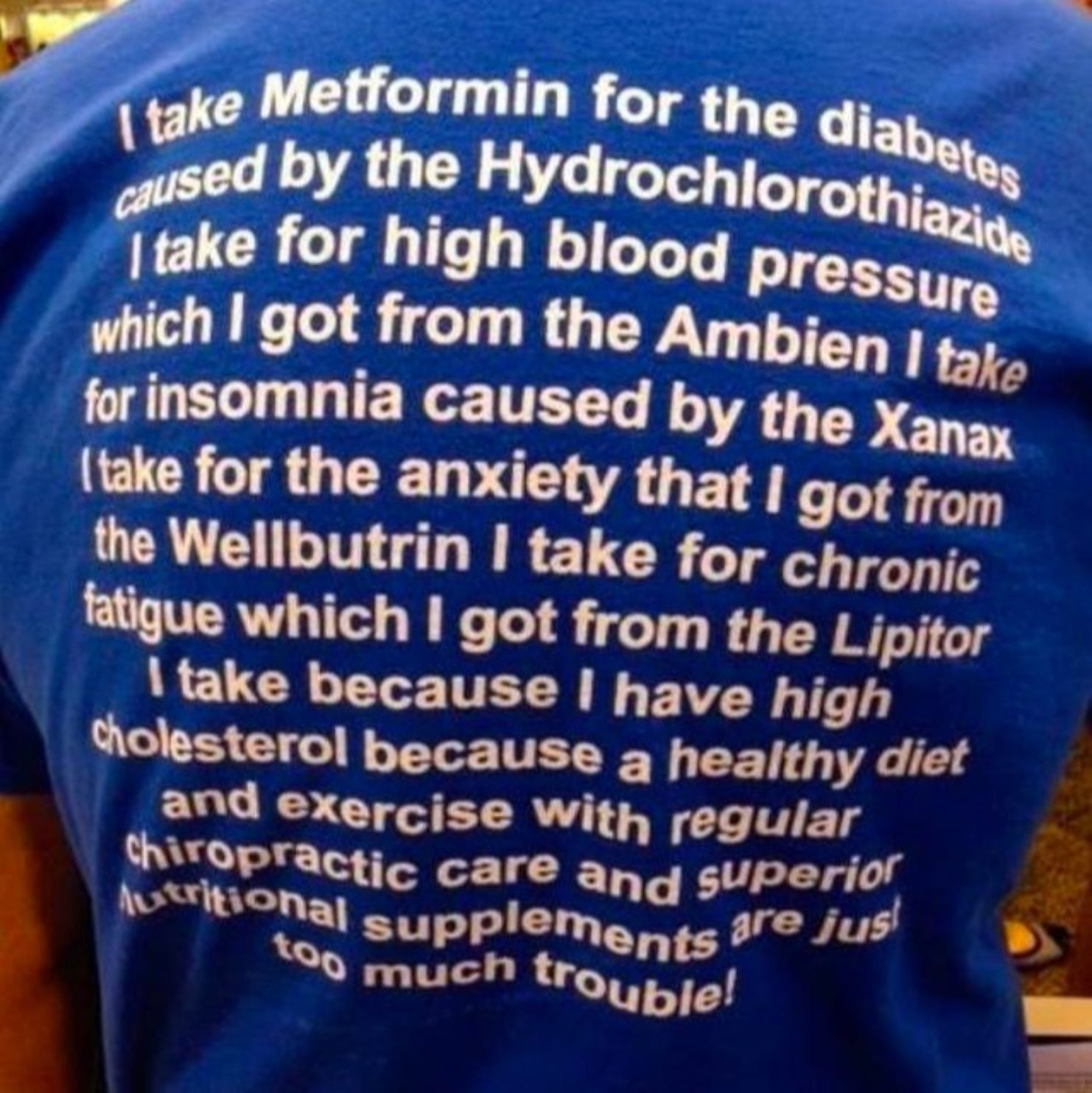
When it comes to diet, I know three things for sure:

  1. Your emotional, psychological, and physical issues are deeply connected to what you put in your mouth.
  2. One nutrition strategy may not fit all, but one nutrition strategy does fit most. Outliers are just that—outliers.
  3. The playbook of Big Pharma and Big Food is shockingly similar and often intertwined. Do not underestimate the role that these industries are playing in your everyday choices.

We are going to dive into all three of these topics, and I will provide as much research and guidance as possible. I hope, by the end of however long this ends up being, we will have changed the lens with which you view food and cooking.

It is going to take time to compile all this, so bear with me if it comes in spurts. In the meantime, I suggest listening to literally any part of the American Health & Nutrition: A Second Opinion round table that happened at the U.S. Senate on September 23, 2024. A few quotes from the stream:

“While gen x, millenials, and gen z have our problems, 75% of us are not stupid, weak or lazy. So hopefully you are wondering what has happened to us.”- @JillianMichaels

“We are mass poisoning all of our children, and all of our adults.” – Robert F. Kennedy Jr.

“Treating chronic disease, which we now know is caused by the environment and our diet, without looking at diet as the treatment, should be considered malpractice.”- @MikhailaFuller

“We could replace that miserable future with something much brighter and healthier if we had the moral and political will to do so.” – @jordanbpeterson

“This is why America is facing an obesity epidemic. That’s not about will power. It’s about the food system.”- @maxlugavere

“Life expectancy has not increased in the last 100 years. We spend 90-95% of all medical spending on chronic issues, and it’s done nothing.”- @calleymeans

“… who are the constituents of the American government? Is it industry or is it the American people?”- @ChrisPalmerMD

“If the current trends continue… At best, we’re going to face profound societal instability and decreased American competitiveness, and at worst, we’re going to be looking at a genocidal level health collapse…” – @CaseyMeansMD

“Our healthcare system is playing Whac-A-Mole on the backend and we are not talking about the root causes.” – @MartyMakary

“How is it that Americans are so chronically ill despite spending more on healthcare than any other nation. … the focus has shifted away from patient care, to corporate gain.” – Brigham Buhler

“Ultra-processed foods are the new cigarette for my generation.”- @travelingenes

“Over the last 60 years, almost all food additives were being created for one sole purpose. To improve the bottom line of the food industry, and not improve our health.” – @thefoodbabe

“So, of course, Kellogg and other food companies will argue children prefer [bright, artificial colors] over [natural, less bright colors]. Just as they would prefer cocaine over sugar. That doesn’t make it okay.” – @humankarp

More articles from the blog

see all articles
July 9, 2025

How World War II, cigarette companies, and an obscure 1937 law determine what you put in your mouth today: A Short History of the Sad, Modern American Diet.

read the article

June 25, 2025

 Bad Medicine, Antidepressant Withdrawal, and the Incalculable Costs of Medicating Normal: My full talk at the University of Nevada, Reno Medical School

read the article

June 18, 2025

Smart things other people said, Part II: A big two weeks in the world of bad science, bad journalism, and why it’s good news for us.

read the article

June 11, 2025

Five books every parent should read before taking their kid to a psychiatrist: Share with every parent you know.

read the article

After years of speaking publicly on the topic of antidepressant withdrawal and overmedicating children, I’ve learned that meaningful change is going to come from two directions: patients and new prescribers.

I’m not going to say I’ve lost hope in existing clinicians, but it’s more difficult to treat Stockholm syndrome than it is to prevent abduction in the first place. Paraphrasing from the former Big Pharma and Big Food lobbyist Calley Means, who now spends his life whistleblowing the playbook of Big Pharma and Big Food: “It’s difficult to change your actions when your beach house depends on it.”

Thus, I’m working to get my work in front of residents who have yet to begin their practice, hoping a seed of my message will be buried into their fertile little brains. Nevermind the fact that research shows medical students’ empathy erodes in year three—the year in which they begin seeing patients.

Alas, we must press on, which is why I was thrilled to lecture at Psychiatry Grand Rounds and the University of Nevada, Reno, where all psychiatric residents are required to attend. This wasn’t just a talk about my story. Instead, I focused on the language of withdrawal, the theory of serotonin occupancy and how it lines up with hyperbolic tapering, and genetic pathways and their role in drug-drug interaction and metabolism. While there wasn’t a ton of time for questions or feedback, I was pleased when a room full of residents raised their phones to take photos of my slides. That told me this was new information and that maybe it will make a difference.

I also got a little heated at the end when I was gently pushed by one of the UNR professors who wanted to “get clear” and reiterate that the problem wasn’t actually psychiatrists, because it’s primary care practitioners who prescribe most antidepressants. I couldn’t let that slide, especially knowing that one of their psychiatrists had a 7-year-old on 5 different psychiatric drugs. Off I went.

More articles from the blog

see all articles

July 9, 2025

How World War II, cigarette companies, and an obscure 1937 law determine what you put in your mouth today: A Short History of the Sad, Modern American Diet.

read the article

July 2, 2025

“What do all fat, sick, unhealthy people have in common? At least this: they all eat.: An introduction to a new series about diet, psychiatric drug withdrawal, and performance.

read the article

June 18, 2025

Smart things other people said, Part II: A big two weeks in the world of bad science, bad journalism, and why it’s good news for us.

read the article

June 11, 2025

Five books every parent should read before taking their kid to a psychiatrist: Share with every parent you know.

read the article

Football season is almost here, so my kitchen work is ramping up. I have two new clients, Fred Warner and Kevin Givens, both 49ers looking for another Super Bowl ring. My job is to feed them the food that will get them there, which means I’m elbow-deep in grass-fed bison and venison and gelatinous stock made with chicken feet.

Follow along with that work @chefbrookesiem.

I’m also prepping to lecture at Grand Rounds at the University of Nevada, Reno Medical School. This won’t be my first time speaking in front of a room full of doctors, but it will be my first time speaking in front of a room full of doctors who might not agree with me.

The Reno-Tahoe area is perpetually behind the times from a cultural, educational, and health standpoint. Our restaurants are straight out of 1989, our psychiatry is stuck in the 90s, and the definition of health in this town is to park at the far end of the parking lot before getting day drunk at all-you-can-eat sushi which, in a landlocked city, is just as disgusting as it sounds.

Thus, I have been brushing up on my science and communication skills (shoutout to the book Supercommunicatorsin hopes of planting seeds in a few medical minds. Turns out, it’s been an interesting few weeks in the world of bad medicine and bad journalism. So for this issue, I’m sharing a little of what I’ve been reading this week, because sometimes, shutting up is the most effective strategy.

More articles from the blog

see all articles

July 9, 2025

How World War II, cigarette companies, and an obscure 1937 law determine what you put in your mouth today: A Short History of the Sad, Modern American Diet.

read the article

July 2, 2025

“What do all fat, sick, unhealthy people have in common? At least this: they all eat.: An introduction to a new series about diet, psychiatric drug withdrawal, and performance.

read the article

June 25, 2025

 Bad Medicine, Antidepressant Withdrawal, and the Incalculable Costs of Medicating Normal: My full talk at the University of Nevada, Reno Medical School

read the article

June 11, 2025

Five books every parent should read before taking their kid to a psychiatrist: Share with every parent you know.

read the article

“I too, feel depressed,” I texted my mother from an island rock perched in crystalline Lake Tahoe.

My mother’s passing feeling of depression was referring to two suitcases in the back of a storage closet. They hadn’t been used in twenty-three years, relics from the trip she and I were on when my father died. My feeling of depression wasn’t so much wrapped up in luggage, although the reminder didn’t help. Instead, it was—is—caught in the tendrils of a long, ongoing list of personal and professional misfires capped off with a full ACL tear. (I am in surgery as we speak. Or as you read, rather.)

Although nothing about my career, relationships, or general life satisfaction is thriving, most of my inner torture is attached to the actions of someone else. Without getting into specifics, I am waiting on a response to an inquiry that could change my entire life. I have formally been waiting since March, but really, I’ve been waiting for a year and a half. What began as a zygote of an idea grew into curiosity and was then fed with just enough fodder and uncertainty to create a perfect storm of compulsion, passion, and confusion. The torture is less about what answer comes from the inquiry and more about the insanity over why this is happening in the first place. Is it destiny? Life purpose? Misguided desperation? I fixate on concrete interactions that brought me here and then fight the delusion that comes from dreaming so big in the first place. I search Twitter and Google News for updates and extrapolate data from folks who have no idea they’re supplying breadcrumbs to someone desperate for a nourishing meal. The whole thing has pulled a melancholic veil over my world, something that even a Wednesday lounge by the blue waters of Tahoe couldn’t lift.

I came home from the lake and turned to my coping mechanism—oil painting—until it got dark. Mid brushstroke, egged on by the minor chords of Shane Smith and the Saints’ “Little Bird,” I failed to fight back tears of exhaustion, longing, and frustration. While chewing on a (bad) idea I thought might take the edge off the ache, I remembered an old journal scribbled with something relevant to the bad idea and, upon cleaning my brushes, went looking for whatever I’d written down.

In big letters, I’d written a word I’d never heard of and had never bothered to look up: limerence.

A quick Google took me to The Attachment Project’s definition of limerence:

The experience of having an uncontrollable desire for someone – an obsession that consumes the limerent person’s thoughts, feelings, and behaviors. It usually involves two people: the person who desires the other (the limerent) and the desired person (the limerence object or LO).

Essentially, limerance is a state of being stuck between uncertainty and hope: will they or won’t they return the sentiment? For instance, perhaps this person hasn’t rejected them entirely, but they haven’t confessed their love either. 

This state of irresolution causes the limerent to become preoccupied with the LO, closely analyzing their behavior and body language to look for signs of reciprocation. They may also ruminate about past encounters with the LO and fantasize about what might happen between them in the future. The key feature of limerence is that these thoughts and yearnings are uncontrollable and all-consuming. 

As I went down a limerence rabbit hole, I wondered how I’d gone 38 years without learning this word. Limerence is usually associated with romantic love, but it doesn’t have to be. Friendship, family, mentor/mentee—any relationship involving two people can go wayward with limerence. For me, it explained everything.

Instantly, I felt better. I even looked dog and said, “Holy shit, that’s it!” How good it felt to be seen, to have the irrationality explained, to read accounts of other folks on r/limerence whose crazy was just as bad (and worse) than my own.

The epiphany gave me odd permission to do all the things I knew I needed to do but couldn’t quit. I unsubscribed from news platforms that might carry a snippet of information, unfollowed a few players in the space, and muted decision-makers. I will get an answer this year. Everyone involved has each other’s phone numbers. That was true before and is still true now. The difference is that in putting a name to the crazy, I am now able to shift into waiting without being consumed by thoughts.

It didn’t take long for me to draw a parallel between my elation over having a name for my distress and the (sometimes literal) party people throw for themselves when, after years of suffering, they get a formal mental disorder diagnosis. Twitter is full of tweets (and arguments) over adults to celebrate the ADHD, AuADHD (Autism/ADHD), or bipolar diagnosis they receive in midlife. People become so enmeshed with their diagnosis that it ends up in their bio, right next to their other primary descriptors: proud mom of 3, chemist, AuADHD.

I am, admittedly, quite judgemental over this kind of behavior. I can’t pinpoint exactly what bothers me, but it lies somewhere in the space of over-medicalization + over identification + taking resources away from folks who actually need it. Marcia, the offbeat, fiftysomething part-time jewelry maker may feel quirky and “off” in the world, but if she lives independently, pays her bills on time, and contributes to society, is she really “disordered”?

Hell, my sensory issues, mood swings, and general frustration with people land me on the spectrum of high-functioning autism. More than one person has asked me if I’m neurodivergent, which pisses me off. Again, I can’t pinpoint exactly why. Perhaps it’s because the suggestion itself indicates that someone wants to force me into a box, which, if you know me even a little bit, is the quickest way to make sure we never speak again. My gut reaction to the question is even less attractive. It’s something along the lines of: Who gives a shit? Stop searching for trendy explanations and go create something with your life.

And yet, learning the meaning limerence was like someone taking off mental handcuffs.

I am well aware of my bias. After seven years in the antidepressant withdrawal and overmedicalization space, the three words most likely trigger an eye roll are stigma, treatment, and validation. Drug makers are advocacy groups biggest donors, which puts a damper on “awareness” and “anti-stigma” campaigns. May may be “Mental Health Awareness Month” but if it were honest, it would be called “Psych Drug Advertisement Month.”

Treatment is a sneaky little way of using common languange to medicalizing a psycho/social/emotional issues. Just like Eli-Lilly’s clever 2023 tagline rebrand from “Powered by Purpose” to “A Medicine Company,” it’s about treating the patient, or ensuring access to treatment. What sort of monster wouldn’t want someone suffering to get the treatment they deserve? “Treatment” is medical care for an injury or illness, synonomous with drugs and diagnosis. It is not healing, building resilience, facing issues, making difficult decisions, or daring to accept that sometimes you are the problem.

And then there’s validation, both a powerful force for positive change and destruction. Validation when it comes to sorting out an issue and being understood by another human? Good. Validation from external sources and the constant need to have feelings recognized? Not so good.

The difference, I think, is what happens after validation is received. Productive validation identifies an issue and, through the act of recognition, diffuses its intensity. I recognized myself in the definition of limerence and used the tools provided to quiet the symptoms. Unproductive validation is righteous and only intensifies the feedback loop. Had I seen the definition of limerence, felt seen but not taken action, all I’d be doing is shifting the blame. A lightbulb that illuminates the whole picture versus a spotlight that blinds everything outside a defined edge.

Or, as Oxford researcher Lucy Foulkes recenty said in her New York Times opinion piece, “High-Functioning Anxiety isn’t a Medical Diagnosis. It’s a hashtag” :

All this awareness oversimplifies and maybe even popularizes mental disorder…and over interpretation can become a self-fulfilling prophecy…if everyone is ill, no one is.

More articles from the blog

see all articles

July 9, 2025

How World War II, cigarette companies, and an obscure 1937 law determine what you put in your mouth today: A Short History of the Sad, Modern American Diet.

read the article

July 2, 2025

“What do all fat, sick, unhealthy people have in common? At least this: they all eat.: An introduction to a new series about diet, psychiatric drug withdrawal, and performance.

read the article

June 25, 2025

 Bad Medicine, Antidepressant Withdrawal, and the Incalculable Costs of Medicating Normal: My full talk at the University of Nevada, Reno Medical School

read the article

June 18, 2025

Smart things other people said, Part II: A big two weeks in the world of bad science, bad journalism, and why it’s good news for us.

read the article

Ever since MAY CAUSE SIDE EFFECTS was published in 2022, I’ve done as much press as I can without bankrupting my savings account or my soul. Podcasts are my favorite outlet, and after years of refusing, I finally caved and got on TikTok with the intent of reaching a withdrawal-specific audience. 

A few weeks ago, I shared a clip from my episode of Relatable with Allie Beth Stuckey, a massive podcast with loyal listeners. On both Instagram and TikTok, the post blew up, launching me into the weird world of internet virality. In many ways, I’ve been training for this since I started speaking publicly on antidepressant withdrawal in 2018. I’ve honed my message, backed up my personal story with research, and learned how to talk about it without treading into the litigious world of formal medical advice.

Still, nothing quite prepares you for the onslaught of notifications when a post goes viral. Instagram has a short half-life. Viral posts die within a week or so. TikTok is different. The algorithm keeps feeding it back into the funnel, like riding the same ride at the carnival over and over again. Combined, the clip has over half a million views with around two thousand comments. 

What I am most surprised by is the lack of pushback compared to the volume of psychiatric horror stories. Typically, anti-antidepressant content generates a decent amount of criticism. Whether it’s my work or someone else’s, you see a lot of, “Antidepressants save lives!” and “Stop shaming people for seeking the treatment they need.” Point out the FDA-supported data suggesting that antidepressants actually take lives in people under 24 and have no effect on suicidality for those 24-65, and I’m usually met by a reductionist, personal anecdote that culminates in, “What you’re doing is DANGEROUS.”

Sometimes people get cranky because I’m not a doctor or researcher, to which they say, “and what are ur credentials?” Unbeknownst to them, this is the one line that makes me doubt what I’m doing, so much so that after some rando made this comment I started researching online masters programs to see if I could get a quickie degree. I’m not bothered because I don’t have letters after my name. I’m bothered because I don’t know what I don’t know. I wonder if my bias is causing me to miss something that could hurt someone. Somehow, my lizard brain thinks having an advanced degree would protect me from that bias, which is ironic because the whole problem with the current standard of care in mental health is that clinicians are blind to the pharma/diagnostic bias programmed into them during their advanced degrees. 

Credentials buy you an expensive certificate that says, “I’m good at memorizing the stuff required to pass a test.” The art of medicine or therapy—and the critical thinking required to question why people aren’t getting better despite more intervention—only comes with time and practice. And after 10+ years of by-the-book education, very few practitioners have the self-awareness or balls to say, “I don’t know what I don’t know. I wonder if my bias is causing me to miss something that could hurt someone?” 

Thus, millions of people around the world are being hurt by people with letters after their names, yet somehow I’m the problem. 

When these comments get to me, I try to remember that being an MD doesn’t shield you from bullshit. Dr. Will Cole, a major player in the functional medicine space, recently shared a post on Instagram about the evidenced-based placebo effect with antidepressants. It garnered so many negative comments that the post is now deleted. Will told me in a podcast we did together that the response made him not want to talk about the topic at all. 

For my posts that went viral, the ratio of positive/like minded comments to nasty ones is about 100:1. Whether it’s sample bias from the algorithm or people finally feeling safe to air their grievances about shit doctors and bad drugs, I don’t know. But in the comments of one video, there are over 1600 horror stories just about Effexor. If this were in a specialty that uses lab tests to determine disease, that would be a class action lawsuit. It’s not a class action lawsuit in psychiatry because there aren’t any empirical tests to measure mental and emotional symptoms. A group of people claiming Effexor-induced suicidality cannot prove that Effexor was at fault, and all the pharmaceutical lawyers have to do is point to the patients’ clinical history and blame their suicidality on the depression diagnosis the patient inevitably received. Clever, innit?

The deluge of comments does inspire me to keep chugging along, though. Many folks talk about how they thought they were alone until they stumbled upon my post. This work can feel meaningless because it feels like the needle isn’t moving, and I often wonder if I’m wasting my time. I needed this boost as much as the folks in the comments did. 

So, if you’re new to my substack from one of these podcasts, thank you for being here. I’ll keep doing the work if you do. 

More articles from the blog

see all articles

July 9, 2025

How World War II, cigarette companies, and an obscure 1937 law determine what you put in your mouth today: A Short History of the Sad, Modern American Diet.

read the article

July 2, 2025

“What do all fat, sick, unhealthy people have in common? At least this: they all eat.: An introduction to a new series about diet, psychiatric drug withdrawal, and performance.

read the article

June 25, 2025

 Bad Medicine, Antidepressant Withdrawal, and the Incalculable Costs of Medicating Normal: My full talk at the University of Nevada, Reno Medical School

read the article

June 18, 2025

Smart things other people said, Part II: A big two weeks in the world of bad science, bad journalism, and why it’s good news for us.

read the article

The title, basically, which is why this issue is a day late.

Last week, I tore my ACL after taking a bad landing during practice for a gymnastics meet I was supposed to compete in this week. Everyone who hears about it wants to tilt their head and make some comment about getting older, which pisses me off because this injury was the result of gravity and physics, not age. The only time I’ve been feeling my age is when I look around at the world and simultaneously think, my god, I’ve been around long enough to see the bullshit double back on itself and come back again and also I’ve still got a lot more of this left to go.

In theory, anyway.

I know what a microtrabecular fracture with moderate marrow edema is now

I can’t say I’ve been thriving over the past eight months, and this injury and its long road to recovery isn’t exactly righting me on the road to flourishing. I’m not looking to beleaguer you for pity or words of encouragement. They’ll roll right off me and I don’t want to hear it. I only bring it up to convey the state of mind I’m in, which is probably why I’m purposely picking a public fight with Harvard psychiatrist Roy Perlis, who with all his Ivy League wisdom, truly thinks it’s a good idea to make antidepressants available over the counter.

On April 8, Stat News posted an opinion piece by Perlis titled, “The time has come for over-the-counter antidepressants,” wherein Perlis argues that antidepressants should be available without a prescription, just like ibuprofen or laxatives. (Don’t bother rewarding Stat with views by clicking the link. I’m going to break it down below.)

As sure as I am about the overall harm caused by casual, mass psychiatric drugging of the human psyche, I still leave the door open for counterarguments. I consider it part of my duty to stick to my guns only if they’re loaded, which means forcing myself to get out of the echo chamber and hear opposing opinions. So I read the piece, expecting a Harvard professor to at least make a well-substantiated argument, even if I didn’t agree with it.

Instead, it’s 900 words of one of the dumbest, most poorly cited pieces of “journalism” I have ever read in the mental health space. And that’s saying a lot, given the drivel that comes from pop-wellness websites.

Let’s take a look, paragraph by paragraph. Perlis begins:

Anyone can now walk into a pharmacy in the United States and buy oral contraceptives over the counter without a prescription, thanks to the FDA’s approval of norgestrel (Opill). This change reflects the drug’s safety and the public health imperative to ensure wider access to birth control. But another safe class of medicine that addresses a massive public health need remains unavailable except by prescription: the antidepressants known as selective serotonin reuptake inhibitors (SSRIs).

Let’s start with the immediate oddity. Why in the world is Perlis comparing an SSRI to hormonal birth control? What do these things have in common other than being a political football? If he’d instead compared an SSRI to over-the-counter supplements that act on the serotonin system, like St. Johns Wort or tryptophan, then maybe we have the basis for a relevant argument. Instead, he chooses birth control (in all likelihood to signal that he is not one of the Bad Men who took women’s rights away) and throws the word “safe” in front of both of them, as if there is any 100% safe medication. All interventions carry risk, and half the point of a doctor is to assess whether the risk of treatment outweighs the risk of the illness. Perlis sort of addresses this later in the article, but even by using the word “safe” in such a casual way, he is grossly generalizing while also patronizing readers.

These medications, which have been used in the U.S. for three decades, have repeatedly been shown to be safe and effective for treating major depression and anxiety disorders.

There’s that word again, right above the fold. Note how there is zero reference to support this. We are supposed to take his word because of the letters after his name. When someone else on Twitter pushed back against the safety claim with a study questioning antidepressant safety, Perlis chastised the user for “spreading misinformation” and then linked a meta-analysis he co-wrote along with a dozen others as evidence for antidepressant safety. I looked that paper over and noticed that at least half of the authors had declared conflict of interest statements. I responded to the tweet, asking Perlis why he would use a paper with so much declared conflict of interest to support a pro-pharma argument. Perlis blocked me along with the original user who called him out, and his response with the problematic paper is now deleted.

Perlis goes on to list the usual mental health woes including increasing rates of depression, long wait times for mental health services, and oddly, telehealth services whose quality of care is “difficult to measure.” He does not elaborate on how removing any clinical professional from the equation would improve measurement, but that’s par for the course for this dialogue, so I’m going to blow past it and focus on more egregious issues.

In reality, many OTC products treat symptoms or rely on consumers to diagnose themselves — think yeast infections, acid reflux, or respiratory infections. In the case of major depression or generalized anxiety, screening surveys have been developed for primary care that could help people determine their likely diagnosis with at least the degree of confidence of many OTC applications.

Ah yes, the screening survey. In no other area of medicine does a doctor make full diagnoses and prescribe solely based on a patient’s answers to a handful of leading questions. It’s working so well, too! People are thriving after being asked if, in the past two weeks, they’ve felt hopeless. Please circle “a little, sometimes, a lot of the time, or all the time.” And after you do that, we’ll give you a drug for the despair we can’t measure and convince you it’s your brain chemicals, stupid.

What about use or misuse? Depression is associated with increased risk for suicide, and medication overdose is among the most common methods of suicide. But walk through the aisles at your local pharmacy and pick any given medicine off the shelf: the odds are good it is more dangerous in overdose than an SSRI. Fatal overdoses are far more likely to involve drugs other than antidepressants.

Here’s where he really starts to lose me. Perlis uses overdose to defend his reasoning for the safety of SSRIs, claiming that it is more likely to overdose on other OTC drugs rather than SSRIs. This is bizarre because a Harvard psychiatrist should know that most people commit suicide by firearms or hanging and that even amongst poisonings or overdoses, people aren’t using their bottle of Zoloft to do it.

I’m unclear if Perlis was trying to make the argument that antidepressants are less fatally toxic at high levels than other OTC drugs, or if he’s trying to create a red herring that distracts people from the fact that suicidality and suicidal thoughts can be induced by antidepressants. I initially thought it was a poorly constructed argument for the former, but the next paragraph muddles it.

Among people age 25 and older, there is clear evidence that taking antidepressants does not increase the risk for suicide — in fact, the risk of suicidal thoughts or acts is reduced in this group, particularly among those 65 and older. For those younger than 25, the risk for suicidal behaviors or thoughts in clinical trials was modestly greater than that of placebo. So buying SSRIs over the counter could be restricted to people 25 and older, at least at first, just as some states restrict OTC pseudoephedrine (Sudafed) purchases to people age 18 or older.

Perlis is pulling data from a review by the FDA that examined the effects of black box warnings on antidepressants. Thanks to this study and others, it is well known that antidepressants increase suicidality significantly in younger populations. (A recent study used to approve the use of Lexapro for 7 to 12-year-olds documented a 6x increase in suicidality among kids who were put on the drug…and yet it was still approved by the FDA. See Dr. Roger McFillin’s take on that absurdity, here.)

It is incomprehensible to me that a psychiatrist in good standing would not only suggest a drug with a black box warning should be available over the counter, but that we can mitigate that risk by simply ID’ing whoever is buying it, as if the drug couldn’t then just be given to those under 25 as soon as the buyer walks out the door.

If Perlis ever grants me the interview I asked of him on Twitter**, my first question would be this: If some fifteen-year-old hangs themselves two weeks after starting OTC sertraline bought for them by their parents, who is responsible? The kid? The parents? Or the teller ID’ing folks at CVS?

Another objection to over-the-counter SSRIs is that not everyone believes in pills for depression. Some still question the biological basis of this disorder, despite the identification of more than 100 genes that increase depression risk and neuroimaging studies showing differences in the brains of people with depression.

Perlis goes on to draw an odd line between people not “believing” in the biological basis for depression and a study that looks at neuroimaging biomarkers as well as a Scottish study that concluded that people who “carried over 100 [changes to their DNA] were much more likely to develop the disorder in future.”

First off, the neuroimaging study he linked was connected to identifying the individuals who are most likely to benefit from targeted neurostimulation therapies, NOT antidepressants, which makes that reference null. Second, even if we did have the ability to easily test for these 100 or so mystery genes that cause depression (according to one study), does Perlis expect every person who walks into a CVS to have completed a full neuroimaging evaluation or DNA test before purchasing their sertraline with their toilet paper? If not, then how can you argue that this would be a broadly effective strategy?

To be sure, there are alternatives to pills. Certain talk therapies, like cognitive behavioral therapy, can be as effective as antidepressants, and some people prefer talking with a therapist to taking a medicine. But not everyone: weekly visits for eight to 12 sessions or more can entail substantial time and money. Here too, access to psychotherapists is a massive problem, particularly for individuals who seek to use insurance, or have none.

What this is saying is that Perlis is perfectly okay mass drugging lower-income folks under the guise of do-gooder benevolence. Please refer to the rise of Nazis for historical precedence on how that works out.

No treatment works for everyone, but around one in three people with depression get well with an initial antidepressant medication. Allowing over-the-counter access is not a panacea, but could open the door to a safe, effective, and inexpensive treatment for many who need it.

Perlis uses the STAR*D trial to report that one in three people who take antidepressants get well. Putting aside the recent calls to retract the STAR*D trial results due to significant violations of the originally submitted research protocol, Perlis’ own argument still suggests that the majority of people do not improve on antidepressants. Yet his strategy would expose 2 out of 3 people to iatrogenic risks and side effects of these “safe” drugs including but limited to suicidality, violent aggression, irreversible sexual dysfunction, mania, and damage to fetal development.

What’s needed to make this happen? An SSRI manufacturer with the courage to engage with the FDA and invest the necessary resources for a prescription-to-OTC switch, a well-trod path that has previously included medicines for allergies, acid reflux, and emergency contraception, among others. This process would primarily involve studies to prove that consumers can understand and follow the medication label, not new clinical trials, because more than three decades of evidence shows that SSRI antidepressants are safe and effective.

Perlis closes with a call to action from pharmaceutical companies, convenient because it absolves him of any downstream responsibility. He also continues to push the thread that depression is just as simple as contraception or acid reflux, even though those ailments occur due to a single, easy-to-explain mechanism. The same cannot be said of depression. Even in a world where biology was the sole explanation, it involves various processes (and apparently, over 100 genes) which means no single antidepressant would be suitable for all.

**Since Monday, this article is making its way around Twitter and I’m now not the only one picking a fight with him. However, in an odd twist, Perlis agreed to an interview with me. We’ll see if that materializes.

More articles from the blog

see all articles

July 9, 2025

How World War II, cigarette companies, and an obscure 1937 law determine what you put in your mouth today: A Short History of the Sad, Modern American Diet.

read the article

July 2, 2025

“What do all fat, sick, unhealthy people have in common? At least this: they all eat.: An introduction to a new series about diet, psychiatric drug withdrawal, and performance.

read the article

June 25, 2025

 Bad Medicine, Antidepressant Withdrawal, and the Incalculable Costs of Medicating Normal: My full talk at the University of Nevada, Reno Medical School

read the article

June 18, 2025

Smart things other people said, Part II: A big two weeks in the world of bad science, bad journalism, and why it’s good news for us.

read the article

On March 8, 2017, I published a post on Medium entitled, “Finding Happiness Through Factual Optimism (Even When Life Goes Sideways.)

The essay, even with its amateur prose that now makes me cringe, explained the system I created for myself to objectively track my progress when I was healing from antidepressant withdrawal and fifteen years of chronic depression.

At the time, I recognized two things:

  1. Feelings are not facts. A bad day or a bad week, due to withdrawal or otherwise, always seemed to negate any of the good. Because the scale felt so unbalanced, I couldn’t see that I was getting better because it still felt so shitty to feel shitty.
  2. No matter how often I journaled about gratitude or filled a gratitude jar, I couldn’t connect the gratitude practice with a better life. And because every guru talks about how gratitude is the key to healing, I felt broken and stuck, like I had no chance at getting better when I couldn’t even do this basic thing that everyone else seemed to be able to do.

So I did what I do best—go in a completely different direction and find a way to quantify the shit out of my feelings, then measure them against a very low bar of success! Because fuck gratitude, right? To quote myself from my book, on page 100 of MAY CAUSE SIDE EFFECTS: Gratitude is the bow we tie around our brand of shit to convince ourselves our particular pile of shit is a pretty pile of shit.

My feelings have changed on this, as I’ll address later, but at the time, rejecting gratitude was a form of taking back my power. I was just trying to survive. Gratitude was too advanced, and I needed to aim lower.

The lowest bar, I reasoned through a black and white lens, was that life would be worth living if it trended positive 51% of the time. That’s 2.6 “good” days per week, where “good” is defined by having the day itself trend 51% positive. String enough 51% days together, and you’ve got a 51% life objectively worth living. How’s that for data you can’t argue?

With a yardstick in place, I set about tracking and quantifying the data with the objective of a 51% Lifetime Happiness Average, whereby my choices were validated by default. My goal was never to reach a Utopic level of constant joy. I knew 100% Lifetime Happiness was impossible, but even 80% felt like a stretch. The gratitude gurus lived at 80. I just wanted to dig myself out of 20.

So, at the end of each day, I opened a journal and assigned myself a Daily Happiness Rating based on how the hell I was feeling at that moment. I used a 0-100 scale to allow for nuance. The difference between 49 and 51 was monumental, so it seemed right to give respect to the weight of each integer. Still, knowing that feelings aren’t facts, I didn’t overthink the number. Good morning, bad evening? Give it a 48. Horrific day filled with intrusive thoughts? It gets a 10. A window in the world of withdrawal, in which I didn’t break down in tears? Assign the day a 60 and hope for a 61 tomorrow.

Then, I plotted it all on a line graph.

The drop in February occurred when I went into antidepressant withdrawal. The uptick in August happened when I boarded a one-way plane to Malaysia and was temporarily spellbound by the thrill of a new place. Then, predictably, the high wore off leading to a September crash, followed by an uptick.

When zoomed out, this looks like a person healing. Which, it was. But zoomed in, the day-to-day felt volatile because it was:

My monthly charts from 2016 would reflect a much lower day to day experience, but in February 2017, nearly a year into withdrawal, I was having more 51% days than not. Still, when I went down, I went down hard.

Plotting this over a lifetime, as defined from the year my father died when I was 15 up until the end of 2017:

This is how I proved to myself that I was, objectively, getting better. I could not argue with the system I put in place. The only metric was how I felt, and I didn’t need to rationalize why I felt one day was a 38 while another was a 64. They just were, and that was good enough.

This process allowed me to have bad days, even bad weeks, while knowing that the only goal was a 51% lifetime average. This low bar both took all the pressure off and allowed me to look at individual decisions and determine how they’d affect my overall happiness average. Some decisions were easy. Making my bed certainly contributed to increasing my chances of a 51% day, and so would going to the gym rather than getting ice cream.

Other decisions were more nebulous or didn’t seem to have a clear upside. When those choices came up, I trusted that I’d banked enough smaller 51% decisions (like making the bed) to make up for a choice that might lower the overall average. Over time, I became better at recognizing when a choice was good for me while also forgiving myself for the days when things just fucking sucked.

I stopped tracking in early 2018, when I stabilized enough for the graphs to get boring. When the graphs got boring, something magical happened: I recognized gratitude.

What I’d missed about gratitude is that it is a feeling, not a thought. You cannot think yourself into it, which is why gratitude journals never worked for me. I was too full of muck for the feeling to appear, but once I cleared enough of the muck and analyzed all my little day-to-day choices, I began to notice the little spark of gratitude—a lazy moment in the sun with my dog, the smell of coffee, the color of a flower—all of which eventually grew into a campfire.

That is when I finally understood that gratitude is the way out of suffering. Because once you build that campfire, the world is filled with logs to keep it burning. Even in during painful experiences or crushing, a strong fire stays lit.

It is this duality that makes for a life truly lived at 100. For a long time, I thought a Lifetime Happiness Average of 100 was unattainable because no one can be happy all the time. This is true, of course, but what I know now is that the 100 contains within it all human emotions and experiences. To live at 100 is to experience the full depth of despair and uncertainty because it is matched by intense awe and love.

I know this because I now know love in a way I didn’t before. I know how love is all at once the most painful and beautiful experience, one that simultaneously makes you want to hold on to every moment and also die immediately, just to stop the ache of losing it. It is extreme and all-encompassing, encasing all the meaning of 0-100 within it.

What a gift it is to feel it, to not only want to live in a world bigger than 51%, but to welcome the extremes on either end. Where black and white, dark and light, good and bad are no longer opposites, but integrated expressions of a life well lived.

More articles from the blog

see all articles

July 9, 2025

How World War II, cigarette companies, and an obscure 1937 law determine what you put in your mouth today: A Short History of the Sad, Modern American Diet.

read the article

July 2, 2025

“What do all fat, sick, unhealthy people have in common? At least this: they all eat.: An introduction to a new series about diet, psychiatric drug withdrawal, and performance.

read the article

June 25, 2025

 Bad Medicine, Antidepressant Withdrawal, and the Incalculable Costs of Medicating Normal: My full talk at the University of Nevada, Reno Medical School

read the article

June 18, 2025

Smart things other people said, Part II: A big two weeks in the world of bad science, bad journalism, and why it’s good news for us.

read the article

Inevitably, when you write a book about a growing global concern like antidepressant withdrawal, people reach out with questions. And even though I’ve received hundreds of inquiries in the year and a half since MAY CAUSE SIDE EFFECTS came out, I haven’t bothered to create an FAQ. As much as general themes repeat, people’s stories are unique, and canned answers rarely come in handy.

Instead, I try to answer each person individually and at the very least, ensure that they feel heard for a moment. In most cases—80%—this is all that’s needed. When people have been gaslit by doctors or have spent the majority of their lives under the influence of powerful psychiatric drugs, sometimes the difference maker is nothing more than someone validating their experience. That little bit of encouragement is enough to keep them on course and usually, I never hear from them again.

The remaining 20%, like all 80/20 relationships, take up most of my correspondence time. Typically these are the more complicated cases, usually from folks whose friends likely describe them as “a little neurotic.” These are the overachievers, the philosophers, the Type-As control freaks who did not schedule antidepressant withdrawal into their five-year plan.

This phenotype wants to do everything in their power to make withdrawal go away as fast as possible and can be found furiously googling and going down unhelpful rabbit holes on withdrawal forums. They also usually have money—depression is a privilege as it turns out—and are willing to spend it if they only knew what tests to get.

Of course, their doctor doesn’t have a clue, so when a basic blood panel comes out clean, the prescriber dismisses the idea of running more tests. The patient, though, knows something is amiss. Inn googling, these people find me and fill my DMs, which leads me the meandering point of this issue: every medical test I’ve been through to heal myself after fifteen years of antidepressants.

I took my last antidepressant in 2016, considered myself fully through antidepressant withdrawal in 2018, and spent the better part of 2021 – 2023 healing my body from the ordeal. I spent 2019 and 2020 tinkering with my diet in hopes of figuring out what was causing my gut issues and general I-feel-like-shit issues. I cut gluten or dairy or coffee. I ate less protein. I ate more protein. I juiced celery and drank fennel tea. I went to gastroenterologists who looked at me over a clipboard and said, “We can schedule a colonoscopy?”

Finally, in 2021, I called Andy Galpin, PhD., an old friend who, along with nutrition savant Dan Garner, was working with professional athletes to heal their lingering issues and improve their physical performance. Dan & Andy let me go through their program, which kicked off a two years of lab work and serious dietary changes that have finally allowed my body to heal and perform its best.

(I’ll cover my diet and the results of these tests in another issue. I’m on the road doing press for the paperback release of MAY CAUSE SIDE EFFECTS.)

Over a two year period, I’ve spent well over $10,000 out of pocket on lab tests. It is no small amount of money, especially given my super-lucrative career as a freelance writer and chef. (I recently received a royalty check for the amount of thirteen cents!)

Insurance hasn’t covered a dime, and still, it’s the best money I’ve ever spent on myself because I actually feel better. The key is to get all the testing done in a 1-2 week time period so you have a full picture of your health, all at once. This allows for the Dan Garners of the world to connect the dots between the body’s different systems, rather than isolating the endocrine/gut/blood labs in a vacuum and assuming nothing is connected, like allopathic medicine likes to do.

So, have at it folks. Go forth and figure out your shit. Literally.

Food Sensitivity:

MRT test

Hormones:

Dutch Test

Gut/GI:

GI Map

Heavy Metals:

Doctor’s Data Toxic & Essential Elements: Hair

Genetic:

GeneSight

Blood:

Complete metabolic blood panel

HNK1 (CD57) panel

Microscopic examination

Urinalysis, complete

C-Reactive Protein, Cardiac

Ferritin

Fibrinogen Activity

GGT

Hemoglobin A1C

Homocyst(e)I’ve

LDH

Lipid Panel with Chol/HDL Ratio

Magnesium

Phosphorus

Reverse T3, serum

Thyrogobulin Antibody

Thyroid Peroxidase TPO Ab

Thyroid Profile II

Thyroxine (T4) Free, Direct

Triiodothyronine (T3), Free

Uric Acid

Vitamin D, 25-Hydroxy

More articles from the blog

see all articles

July 9, 2025

How World War II, cigarette companies, and an obscure 1937 law determine what you put in your mouth today: A Short History of the Sad, Modern American Diet.

read the article

July 2, 2025

“What do all fat, sick, unhealthy people have in common? At least this: they all eat.: An introduction to a new series about diet, psychiatric drug withdrawal, and performance.

read the article

June 25, 2025

 Bad Medicine, Antidepressant Withdrawal, and the Incalculable Costs of Medicating Normal: My full talk at the University of Nevada, Reno Medical School

read the article

June 18, 2025

Smart things other people said, Part II: A big two weeks in the world of bad science, bad journalism, and why it’s good news for us.

read the article

For months, I’ve felt like I just got on one of those carnival rides where you sit down, strap in, and let a rusty elevator take you to the top of a tower. Even though the elevator is gently taking you away from familiar ground, you know that at some point, the elevator will stop, open its doors, and give you a view of the world you’re about to drop into. And then, just as you relax into the view, the floor will fall away and gravity will take over, leaving you with no option other than to feel the rush.

I keep waiting for the elevator doors to open and show me a new world. It is coming. I can feel it and I’ve been feeling it for months. In October, I lost my main client and most of my work evaporated overnight. I challenged myself to simply wait, as itchy as it was because I could feel this something coming. I could feel myself standing in line, putting on a seatbelt, and waiting to move.

Every few years I seem to come back here, to a place of uncomfortably long stagnancy with no clear direction. The last time this happened was in August 2017. I was at the tail end of both a year of international travel and a year and some months of antidepressant withdrawal. I didn’t have a job or an address, but I had signed a flimsy book deal for a book called LADYBALLS. Though I still love the title, that book never came to be, but its existence contained the zygote of what would eventually become MAY CAUSE SIDE EFFECTS.

On a rooftop in Buenos Aires, I wrote myself a letter and dated it January 1, 2018. Why I thought six months was an appropriate open date, I don’t remember. But I do remember that when the new year rolled around, I looked at the unopened letter and knew it wasn’t time to read it. Days before, the book deal for LADYBALLS fell apart. I fired my agent and my publisher in a blind move that turned out to be the best career decision I’ve ever made. I couldn’t remember the specifics of the letter, but I knew if I opened it, I would only feel frustration and shame. So I stuffed it in a folder and forgot about it.

Until yesterday.

My strategy for dealing with general overwhelm is to spontaneously deep clean my home. Typically, a stressor appears—good, bad, doesn’t matter—and within a day, I decide my house is unacceptable. I am already known to vacuum in the middle of a dinner party, but this takes it to another level. In the words of Monica Gellar, the compulsive chef on Friends: “Not just health department clean. Monica clean.”

Yesterday, I signed a contract with a new client, thereby imbuing me with all sorts of problems to solve. After attempting—and failing—to solve all those problems in one morning, I came home and began scrubbing the screws on my toilet. Which led to re-lining drawers. And going through my closet. And cleaning out my desk, where I found a brittle, unopened yellow envelope dated January 1, 2018.

I smiled, sure that inside the letter was something about a $50,000 book deal that never materialized. Enough time had passed and I figured I could handle whatever was in there, even if what was in there was nothing but disappointment.

The back side:

I chuckled at the line, “By the time you read this, you’ll know where you’re going to live.” That is the only bit in there that isn’t quite settled. Something on the carnival ride feels like I’m not staying put much longer.

Everything else, though, has manifested. I wrote the book. And it’s good. And I finished on time, and I am happy with the words I wrote and the things I believe. The money came, too. And that independence. Real independence, because that year and these years gave me the gift of confidence and a voice—a true voice.

By the time I opened this, I had an address to come home to. And I can pay for it. And I am surrounded by people who love me. The negativity that followed me is a distant memory. I am me. And I am paid to be me. I am content, happy, full, and free.

I can’t remember if, when I wrote the letter, I really believed any of it would come true. I knew I wanted to believe, and that I’d seen glimpses of light during antidepressant withdrawal that at least taught me I was capable of experiencing a life I never imagined.

I share this with you because I can feel that I’m reaching the top of the elevator and that when it opens up and the ride truly begins, I know my story is going to reach even more people. So far, I’ve been able to keep up with the amount of correspondence I receive from people suffering from antidepressant withdrawal. Sometimes it takes a while, but I get there. I don’t know how much longer I’m going to be able to respond to everyone.

So, for everyone who is suffering, let this letter serve as an example of possibility. This can be your future if you keep the course and keep doing the work. Most times, the hard way is actually the easy way. Let it be hard. Feel it. Process it. Because at the other end is light.

Light

Light

Light

Light

Light

Light

Light

Joy

Love

Acceptance.

More articles from the blog

see all articles

July 9, 2025

How World War II, cigarette companies, and an obscure 1937 law determine what you put in your mouth today: A Short History of the Sad, Modern American Diet.

read the article

July 2, 2025

“What do all fat, sick, unhealthy people have in common? At least this: they all eat.: An introduction to a new series about diet, psychiatric drug withdrawal, and performance.

read the article

June 25, 2025

 Bad Medicine, Antidepressant Withdrawal, and the Incalculable Costs of Medicating Normal: My full talk at the University of Nevada, Reno Medical School

read the article

June 18, 2025

Smart things other people said, Part II: A big two weeks in the world of bad science, bad journalism, and why it’s good news for us.

read the article

I awoke this morning, on New Year’s Day 2024, from one of those deep sleeps that makes you wonder if you ever really sleep at all. I have been sick for the better part of the holiday season, in every sense of the word—physically sick, heartsick, lovesick, grief sick, job sick—and most of my nights have been fitful, either because of a hacking cough or the prickly agitation that comes with the sort of longing that NyQuil can’t shake off.

The chest infection combined with other people’s holiday obligations meant that I spent most of the back half of December alone, an experience I am deeply familiar with after years of working in the Manhattan restaurant industry. In food service, someone has to work the Christmas Eve rush, frost New Year’s cupcakes, and cater Thanksgiving dinner to folks who don’t cook. Even if the business is closed on the actual holiday, someone has to work the day before and after, rendering cross-country travel impossible.

Thus, my clearest holiday memories are not of cozy, matching pajama-clad mornings, but of a Christmas dinner of Caesar salad and buffalo chicken wings at the Jewish diner underneath my apartment, long walks with my dog down silent Manhattan streets, the deep sense of toska pulling at my heart.

Goddamned toska.

A Russian word with no English equivalent, Vladimir Nabokov said it best: “At its deepest and most painful, it is a sensation of great spiritual anguish, often without any specific cause. At less morbid levels it is a dull ache of the soul, a longing with nothing to long for, a sick pining, a vague restlessness, mental throes, yearning. In particular cases it may be the desire for somebody of something specific, nostalgia, love-sickness. At the lowest level it grades into ennui, boredom.”

Perhaps, given my pockmarked history of holiday experiences, I am primed to feel the weight of toska each year. Or, perhaps this is something experienced by those who have lost a core member of the family. The holidays, for all their cheer, will always be a quiet reminder that my father is not around to throw a tantrum over tangled Christmas lights. Or maybe it is the mark of adulthood, when the magic of the morning is tempered by all the work it took to create it, and all the impending work it’s going to take to erase it.

But the stupid heart always has hope.

This year, while a campy holiday Hallmark movie chirped in the background as I loafed prone and achy on my mother’s couch, we talked about uncertainty. My illness, it seemed, was the physical manifestation of everything I don’t know going into the new year. And I don’t know anything right now.

I have had a sense, for months, that big change is coming to my world. And yet, there is no indication of what that might be or where it might take place. All I know is that in October, my income evaporated when a client’s situation changed, and since then I have watched lead after lead dry up while I anxiously monitor my bank accounts.

My heart, too, is searching for a signal, but the frequency I put out keeps getting lost in static. And yet I cannot shake the situation, the person, and how their existence in my life has fundamentally altered my perception of myself, my abilities, and what I want to experience in the world.

Meanwhile, in my Instagram DMs, a woman reached out to tell me that after 16 months of tapering, the last night of the year would also be her last time taking an SSRI. I reposted this on my Instagram stories, thrilled to get a bit of good news given that most of the messages I receive are of the opposite ilk.

The post gained attention, at soon folks were messaging me with other antidepressant withdrawal wins. One woman went to her first concert in four years, armed with earplugs to combat withdrawal-induced noise sensitivity. Another shared a story about her first trip to the grocery store after coming out of Zoloft withdrawal. Another recently gave birth to a healthy baby fourteen months after horrific Effexor withdrawal.

These little messages, most from folks who’d contacted me in the depths of suffering, lifted me not because of any hand my work may or may not have had in their healing, but because it reminded me that blind conviction is a requirement during fallow seasons. The other side of toska is hope. It is hope that lets us endure the pining, restlessness, and yearning for the magic to return, for the static to clear, and for the body to find health and equilibrium.

And so I awoke lighter this morning, the pull of toska not quite as heavy, the phlegmy cough a little less rough, with a little more patience to let the signal of work and love travel to their receivers.

Bestill the stupid, stupid heart.

More articles from the blog

see all articles

July 9, 2025

How World War II, cigarette companies, and an obscure 1937 law determine what you put in your mouth today: A Short History of the Sad, Modern American Diet.

read the article

July 2, 2025

“What do all fat, sick, unhealthy people have in common? At least this: they all eat.: An introduction to a new series about diet, psychiatric drug withdrawal, and performance.

read the article

June 25, 2025

 Bad Medicine, Antidepressant Withdrawal, and the Incalculable Costs of Medicating Normal: My full talk at the University of Nevada, Reno Medical School

read the article

June 18, 2025

Smart things other people said, Part II: A big two weeks in the world of bad science, bad journalism, and why it’s good news for us.

read the article

The act of reading—specifically sitting down with a physical book or Kindle—tells me a person has the ability to focus, slow down, and live life with intention and curiosity. Whether they read fiction or nonfiction, sci-fi or biographies, they are likely to contribute to conversations and process ideas that may not be in line with their own beliefs. In short, it demonstrates that they are open and capable of growth.

Books are also the fastest and cheapest way to change your life. I have little patience for people who can’t solve their own problems when there are literal libraries filled with free resources to address your exact issue.

This year’s roundup of books is very much focused on troubleshooting existence. From breathing to protein to getting what you want from others, here are the 10 books I read that will make for a happier life.

Landbridge: A Life in Fragments by Y-Dang Troeung

This is the best, most impactful book I read all year. It earned rare display status in my living room, and I tear up just looking at it. It’s also written by a friend who died a year ago this week, so I’m feeling especially tender.

Though you can get creative and get this book in the US by following my link, it’s currently only available in Canada. The US release date is set for later this year.

“In 1980, Y-Dang Troeung and her family were among the last of the 60,000 refugees from Cambodia that then-Prime Minister Pierre Trudeau pledged to relocate to Canada. As the final arrivals, their landing was widely documented in newspapers, with photographs of the PM shaking Y-Dang’s father’s hand, reaching out to pat baby Y-Dang’s head. Forty years later, in her brilliant, astonishing book, Y-Dang returns to this moment, and to many others before and after, to explore the tension between that public narrative of happy ‘arrival,’ and the multiple, often hidden truths of what happened to the people in her family.

In precise, beautiful prose accompanied by moving black-and-white visuals, Y-Dang weaves back and forth in time to tell stories about her parents and two brothers who lived through the Cambodian genocide, about the lives of her grandparents and extended family, about her own childhood in the refugee camps and in rural Ontario, and eventually about her young son’s illness and her own diagnosis with a terminal disease. Through it all, Y-Dang looks with bracing clarity at refugee existence, refusal of gratitude, becoming a scholar, and love.”

Breath: The New Science of a Lost Art by James Nestor

In the realm of books that will solve most of your problems, Breath is #1 on the list. Told with a journalistic flair that keeps you reading, Breath explores the most basic, common thing humans do—breathing—and explains exactly why you’re doing it wrong, how it’s creating your physical problems, and how to fix it with a quick trip to the drug store.

The Medium is the Massage by Marshall McLuhan

It’s been six months since I stopped consuming any news or current events, and I cannot overemphasize how much this choice has positively affected my life. McLuhan’s book is a meta, visual explanation of why this occured, showing how we are unconsciously influenced by media through brilliant illustration.

And lest you think this book falls into the camp of “dangerous alternative media,” know that it was first published in 1967, establishing it as one of the rare works that stands the test of time.

Forever Strong: A New Science Based Strategy for Aging Well by Dr. Gabrielle Lyon

Much of my year has been focused on understanding how nutrition affects mental and physical performance. I’ve ditched dozens of foods I thought were helping but turned out to be hurting—oats, kale, and seed oils to name a few—and am focusing on a more primal, stripped back diet that leans more into red meat.

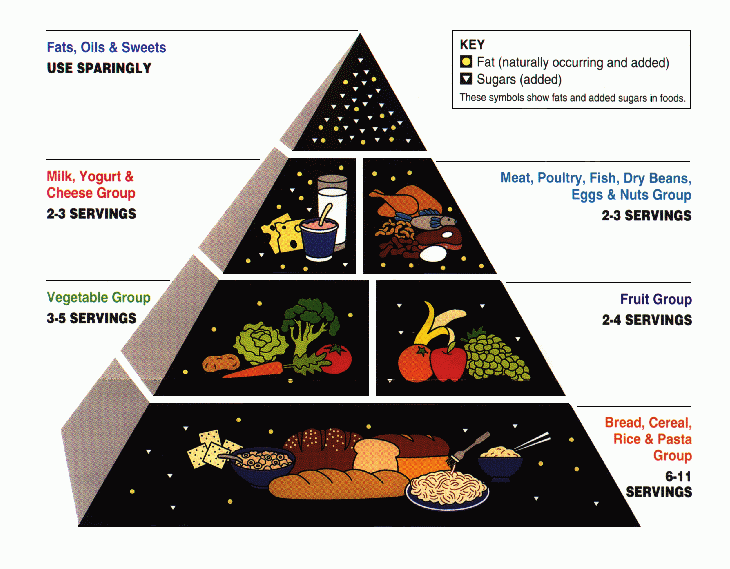
An easy read with a focus on unraveling the false narrative surrounding meat, Lyon touches on the history of our bogus food pyramid, why so many people are physcially weak and overweight, and how more muscle means better health and longevity.

Born to Run: A Hidden Tribe, Superathletes, and the Greatest Race the World Has Never Seen by Christopher McDougall

I picked this book off a friend’s shelf when I was too jetlagged to function, and it changed my entire perspective on what my body was capable of doing.

In less than three months, I went from someone who hated running and thought I wasn’t “built” for it to someone who is excited to spend an hour in the woods, running six miles with 2000 feet of elevation.

Plus, it’s a damn good story that will speak to anyone with any inclination towards physical activity.

Walking in Wonder: Eternal Wisdon for a Modern World by John O’Donohue

I like to read philosophy or poetry before bed, and John O’Donohue is the perfect lullaby.

“Widley recognized as one of the most charismatic and inspirational enduring voices on the subjects of spirituality and Celtic mysticism, these timeless exchanges span a number of years and explore themes such as imagination, landscape, the medieval mystic Meister Eckhart, aging, and death. Presented in O’Donohue’s inimitable lyrical style, and filled with rich insights that will feed the ‘unprecedented spiritual hunger’ he observed in modern society, Walking in Wonder is a welcome tribute to a much-loved author whose work still touches the lives of millions around the world.”

The Myth of Normal: Trauma, Illness, and Healing in a Toxic Culture by Gabor Mate

Read this book. Just do it. Listen to it on audiobook if that’s what you need to do. Make it the only book you read if you only choose one.

“Over four decades of clinical experience, Maté has come to recognize the prevailing understanding of “normal” as false, neglecting the roles that trauma and stress, and the pressures of modern-day living, exert on our bodies and our minds at the expense of good health. For all our expertise and technological sophistication, Western medicine often fails to treat the whole person, ignoring how today’s culture stresses the body, burdens the immune system, and undermines emotional balance. Now Maté brings his perspective to the great untangling of common myths about what makes us sick, connects the dots between the maladies of individuals and the declining soundness of society—and offers a compassionate guide for health and healing.”

Crazy Like Us: The Globalization of the American Psyche by Ethan Watters

If you’re a regular reader of HIAS, you’ll recognize this book from several of this year’s issues. This book should be required reading for anyone in the mental health field, becuase it’s going to force you to re-evaluate what you think mental illness is.

A Walk in the Physical: Understanding the Human Experience Within the Larger Spiritual Context by Christian Sundberg

By far the most out-there reccomendation on this list, A Walk in the Physical is the account of a man who was born with the spiritual veil “half open.” He remembers life before life, and attempts to explain what happens to souls before we come into human form—and after we leave through death.

Though the writing isn’t going to win any awards, it’s worth reading simply for the premise. Whether you belive what he’s saying or not, its sure to make you think.

How to Win Friends and Influence People by Dale Carnegie

“Why are you reading Dale Carnegie? He was old when I was your age.”

This is what said to me when she saw this book on my coffee table, indicating just low long this book has been around. Classics are classics for good reason, though, and there are plenty of nuggets in Carnegie’s book that are still relevant today.

The trick I use the most: Using people’s name to get what I want.

When you’re interacting with people, whether it’s a cashier or someone you know personally, play around with saying their name when making a request or giving a complement. We are conditioned to respond to our name, and assuming the tone is in kind, you’ll be shocked at how much easier it is to get people to help or respond to you.

More articles from the blog

see all articles

July 9, 2025

How World War II, cigarette companies, and an obscure 1937 law determine what you put in your mouth today: A Short History of the Sad, Modern American Diet.

read the article

July 2, 2025

“What do all fat, sick, unhealthy people have in common? At least this: they all eat.: An introduction to a new series about diet, psychiatric drug withdrawal, and performance.

read the article

June 25, 2025

 Bad Medicine, Antidepressant Withdrawal, and the Incalculable Costs of Medicating Normal: My full talk at the University of Nevada, Reno Medical School

read the article

June 18, 2025

Smart things other people said, Part II: A big two weeks in the world of bad science, bad journalism, and why it’s good news for us.

read the article

On October 9, 2023, the United Nations and World Health Organization jointly released a 184 page report addressing the massive human rights violations that occur in mental health “care” all over the world—including the United States and Canada.

After looking through the document, I’m at a loss for words. I’ve spent years speaking alongside other titans, all of us trying to blow the whistle on the corrupt, evidence-less, biomedical model of mental illness that leads to detrimental over prescription, forced institutionalization, and “treatment” without consent. This work has opened all of us up to a special portal of hell, where defamation, academic mobbing, death threats, and the constant risk of getting sued is always on the mind.

(Never have I been so happy to not be associated with an institution. I have a lot more latitute to speak freely when I am not at risk of losing a license or my job with a University.)

And yet, this is a 184 page report effectively says we were right all along. Addressing the harm of the biomedical model, it proposes new legal objectives and a clear mandate for mental health systems to adopt a rights-based approach as opposed to a containment-based approach. It also admits:

Mental health and well-being are strongly associated with social, economic, and physical environments, as well as poverty, violence, and discrimination. However, most mental health systems focus on diagnosis, medication, and symptom reduction, neglecting the social determinants that affect people’s mental health.

Imagine that! Living under constant threat, whether familial or political, isn’t the way to health and wellness. Whoda thunk?

Furthermore, the document goes into considerable detail on informed consent in psychiatric care, which is generally nonexistent in current practice. This manifests in a variety of ways, from involuntary psychiatric holds to general practioners handing out antidepressants after five minute appointments to psychiatrists refusing to support their patients in tapering from psychiatric drugs.

The document says, specifically:

Countries should adopt a higher standard for the free and informed consent to psychotropic drugs given their potential risks of harm in the short and long term. . . . Legislation can require medical staff to inform service users about their right to discontinue treatment and to receive support in this. Support should be provided to help people safely withdraw from treatment with drugs.

More than anything, though, I am shocked and impressed that the WHO and UN admitted the following:

An additional concern is the explicit use of a reductionist Western biomedical model in mental health law, which works to the detriment of other holistic, person-centred and human rights-based approaches and strategies for understanding and addressing distress, trauma, and unusual perceptions or beliefs (2, 86).

Reductionist Western biomedical model! My god, if this was a snark Substack, that statement would come with a dramatic reaction gif.

Actually, fuck it. My filters are gone.

It’ll be interesting to see how—and if—this document has any real impact on legistlation and operating procedure. I doubt there will be a rush to change any laws any time soon, at least in the United States, as long as Big Pharma continues to hold their lobbying power.

However, one major change is that for those branded with scarlet letters ranging from “dangerous” to “anti-medicine” to “anti-science” we can now point to this report for hard-to-argue-with evidence and support. As I’ve said all along, change on this front is not going to come from the top down. It’s going to start with each individual taking control of their own care, and finally, there’s a document to support it.

Download the report.

More articles from the blog

see all articles

July 9, 2025

How World War II, cigarette companies, and an obscure 1937 law determine what you put in your mouth today: A Short History of the Sad, Modern American Diet.

read the article

July 2, 2025

“What do all fat, sick, unhealthy people have in common? At least this: they all eat.: An introduction to a new series about diet, psychiatric drug withdrawal, and performance.

read the article

June 25, 2025

 Bad Medicine, Antidepressant Withdrawal, and the Incalculable Costs of Medicating Normal: My full talk at the University of Nevada, Reno Medical School

read the article

June 18, 2025

Smart things other people said, Part II: A big two weeks in the world of bad science, bad journalism, and why it’s good news for us.

read the article